

Sciatica is one of the most common causes of leg pain and discomfort affecting adults of all ages. The condition can range from mild irritation to severe pain that interferes with daily activities, work responsibilities, exercise routines, and overall quality of life. Many individuals searching for Sciatica Treatment Richmond Hill are looking for effective ways to reduce pain, improve mobility, and return to normal activities without ongoing discomfort.
Understanding the cause of sciatica and seeking appropriate care early can help prevent symptoms from becoming more severe over time. Physiotherapy is often recommended as a non-invasive approach that focuses on addressing the underlying causes of sciatica while improving strength, flexibility, posture, and movement patterns.
Finding the right Sciatica Treatment Richmond Hill can significantly enhance your quality of life and help you manage symptoms effectively.
Quick Answers About Sciatica Treatment Richmond Hill
What is sciatica?
Sciatica is a condition caused by irritation or compression of the sciatic nerve, often resulting in pain, tingling, numbness, or weakness that travels from the lower back into the leg.
Can physiotherapy help sciatica?
Physiotherapy can help improve mobility, flexibility, strength, posture, and movement patterns that may contribute to sciatic nerve irritation.
What causes sciatica?
Common causes of sciatica include herniated discs, spinal stenosis, degenerative changes, muscle tightness, poor posture, and repetitive strain.
How can I relieve sciatica pain?
Maintaining mobility, improving posture, addressing muscle imbalances, and following an individualized physiotherapy program may help support symptom management.
What Is Sciatica?
Sciatica Treatment Richmond Hill | Sciatica refers to pain that occurs when the sciatic nerve becomes irritated, compressed, or inflamed. The sciatic nerve is the largest nerve in the body and extends from the lower back through the hips, buttocks, and down each leg.
When this nerve becomes affected, symptoms may develop along its pathway. While many people associate sciatica with lower back pain, the condition often produces symptoms in the buttocks, thighs, calves, and feet.
Common symptoms of sciatica may include:
- Pain radiating from the lower back into one leg
- Burning or tingling sensations
- Numbness in parts of the leg or foot
- Muscle weakness
- Pain that worsens when sitting for extended periods
- Discomfort during walking, bending, or lifting
Sciatica Treatment Richmond Hill | The severity of symptoms varies from person to person. Some individuals experience occasional discomfort, while others may experience persistent pain that significantly limits daily activities.
Common Causes of Sciatica
Several conditions can contribute to sciatic nerve irritation. Identifying the underlying cause is an important part of developing an effective treatment plan.
Common causes include:
Herniated Discs
A herniated or bulging spinal disc can place pressure on nearby nerve roots, leading to sciatic symptoms.
Degenerative Changes
Age-related changes within the spine can contribute to narrowing around nerve structures and increase the likelihood of nerve compression.
Spinal Stenosis
Spinal stenosis occurs when spaces within the spine become narrower, potentially affecting the sciatic nerve.
Muscle Tightness
Tight muscles in the hips and buttocks can sometimes irritate the sciatic nerve and contribute to pain patterns that resemble sciatica.
Postural Issues
Poor posture and prolonged sitting may place additional stress on the lower back and surrounding structures.
Repetitive Strain
Certain occupations and activities involving repetitive bending, lifting, or twisting may increase the risk of developing sciatic symptoms.

Sciatica vs Lower Back Pain
Many people use the terms interchangeably, but sciatica and lower back pain are not always the same condition, and you have to understand the major differences when it comes to Sciatica vs Lower Back Pain and back pain relief.
Lower back pain generally refers to discomfort that remains localized within the lumbar region. It may result from muscle strain, joint irritation, ligament injuries, or other spinal conditions.
Sciatica involves nerve-related symptoms that travel beyond the lower back and into the leg. While lower back pain may accompany sciatica, the hallmark characteristic is pain that radiates along the sciatic nerve pathway.
Understanding the difference between sciatica and lower back pain is important because each condition may require different treatment approaches.
You can also read more about 5 Simple Exercises for Back Pain Relief here when it comes to Sciatica vs Lower Back Pain.
Sciatica Frequently Asked Questions | Sciatica Physiotherapy Richmond Hill
Is sciatica the same as lower back pain?
No. Lower back pain is typically localized to the lumbar region, while sciatica involves symptoms that travel along the sciatic nerve into the leg.
How long does sciatica last?
The duration varies depending on the underlying cause and severity. Some cases improve within weeks, while others may require ongoing management.
Can sitting make sciatica worse?
Extended periods of sitting may increase pressure on spinal structures and aggravate symptoms for some individuals.
When should I seek treatment for sciatica?
Professional evaluation may be beneficial if symptoms persist, worsen, recur frequently, or interfere with daily activities.
Can Physiotherapy Help Sciatica?
Sciatica Physiotherapy Richmond Hill | One of the most common questions patients ask is whether physiotherapy can help sciatica.
Physiotherapy is often used to address factors that contribute to sciatic nerve irritation. Rather than focusing solely on symptom relief, physiotherapy aims to identify movement limitations, muscular imbalances, mobility restrictions, and mechanical issues that may be contributing to ongoing symptoms.
A physiotherapy assessment may evaluate:
- Posture
- Walking mechanics
- Joint mobility
- Muscle strength
- Flexibility
- Movement patterns
- Functional limitations
Based on assessment findings, a personalized treatment plan can be developed to support recovery and improve overall function when it comes to Sciatica Physiotherapy Richmond Hill. You can read more about Specialized Care under our Physiotherapy service.
Benefits of Physiotherapy for Sciatica
Can Physiotherapy Help Sciatica | Physiotherapy offers several potential benefits for individuals experiencing sciatica symptoms.
Improved Mobility
Restricted movement in the spine, hips, or surrounding muscles can contribute to discomfort. Treatment may focus on restoring normal movement patterns.
Increased Strength
Weakness in the core, hips, and supporting muscles can affect spinal stability. Strengthening exercises may help improve support for the lower back.
Better Posture
Poor posture can place unnecessary stress on the spine and surrounding tissues. Physiotherapists often provide guidance on maintaining proper alignment throughout daily activities.
Enhanced Flexibility
Tight muscles may contribute to nerve irritation. Stretching and mobility exercises may help improve flexibility and movement efficiency.
Improved Functional Performance
Many patients seek treatment because symptoms interfere with work, recreation, or daily activities. Physiotherapy aims to restore confidence in movement and improve overall function.

How to Relieve Sciatica Pain | Can Physiotherapy Help Sciatica
People experiencing sciatica often want to know what they can do to manage symptoms and support recovery.
While every case is different, several strategies are commonly recommended when it comes to How to Relieve Sciatica Pain.
Stay Active
Remaining active within comfortable limits may help maintain mobility and reduce stiffness. Prolonged inactivity can sometimes contribute to worsening symptoms.
Improve Sitting Habits
Long periods of sitting may increase pressure on spinal structures. Regular movement breaks and proper sitting posture can be beneficial.
Focus on Movement Quality
Learning proper lifting, bending, and reaching techniques may reduce strain on the lower back.
Address Muscle Imbalances
Weakness and tightness in surrounding muscles can contribute to mechanical stress. Targeted exercises may help improve balance and stability.
Seek Professional Assessment
Persistent symptoms should be evaluated by a healthcare professional who can determine contributing factors and recommend appropriate management strategies.
When Should You Seek Treatment?
How to Relieve Sciatica Pain | While some cases of sciatica improve over time, persistent or worsening symptoms should not be ignored.
You may benefit from professional evaluation if you experience:
- Pain lasting several weeks
- Recurring episodes of sciatica
- Difficulty walking comfortably
- Reduced mobility
- Persistent numbness or tingling
- Symptoms affecting work or daily activities
Early intervention may help identify contributing factors before symptoms become more severe.
Why Understanding the Root Cause Matters
Sciatica is often viewed as a single condition, but the underlying causes can vary significantly between individuals.
Two people may experience similar symptoms while having completely different contributing factors. One person may have a disc-related issue, while another may have movement restrictions, muscle dysfunction, or postural factors contributing to their discomfort.
This is why individualized assessment and treatment planning are important components of effective sciatica management.
Key Takeaways About Sciatica
Sciatica occurs when the sciatic nerve becomes irritated or compressed.
Symptoms may include lower back pain, leg pain, tingling, numbness, or weakness.
Common causes include herniated discs, spinal stenosis, muscle tightness, and postural issues.
Physiotherapy can help improve mobility, strength, flexibility, and movement patterns associated with sciatica.
Early assessment and personalized treatment may help support long-term recovery and functional improvement.
Long-Term Management and Prevention
Reducing symptoms is often only one part of the recovery process. Long-term success typically involves addressing the factors that contributed to the problem in the first place.
Strategies that may support long-term spinal health include:
- Maintaining regular physical activity
- Improving flexibility and mobility
- Strengthening core and hip muscles
- Using proper lifting techniques
- Managing workplace ergonomics
- Avoiding prolonged sedentary habits
- Monitoring posture during daily activities
Developing healthy movement habits can help support overall spinal function and reduce the likelihood of recurring issues.
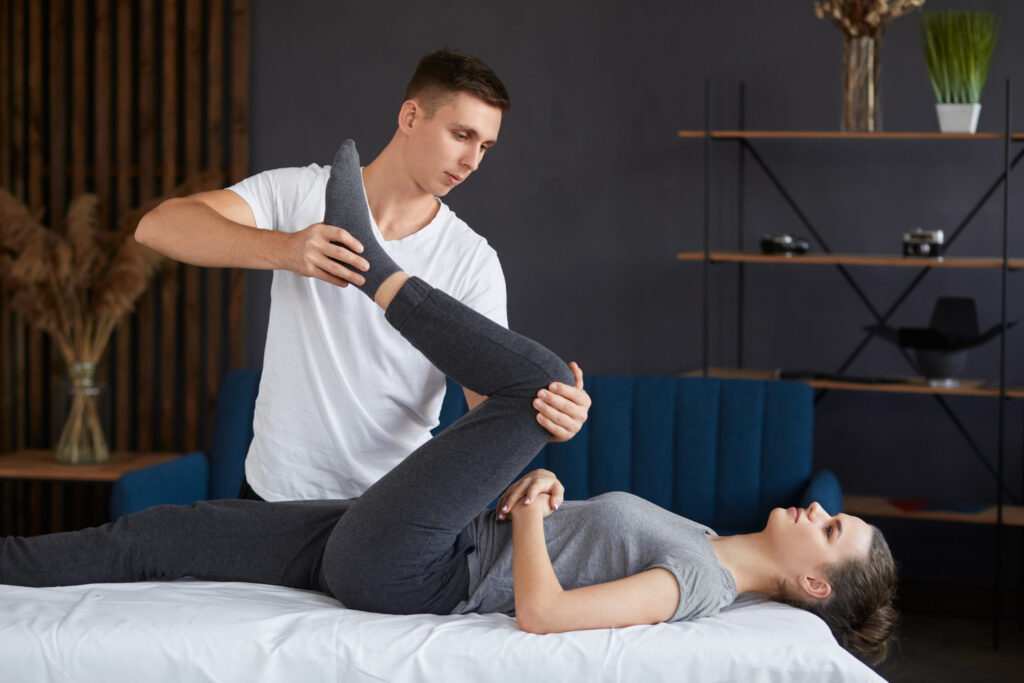
Sciatica Treatment Richmond Hill
Individuals seeking sciatica treatment Richmond Hill often want solutions that address both symptoms and underlying causes. Understanding how sciatica develops, recognizing common contributing factors, and exploring evidence-based treatment options can help individuals make informed decisions about their health.
Physiotherapy plays an important role in helping individuals improve movement, restore function, and develop strategies for managing and preventing future episodes of sciatica. Through personalized assessment and targeted treatment approaches, many patients can work toward improved mobility, increased confidence in movement, and a better quality of life.
Frequently Asked Questions
What is sciatica?
Summary: Sciatica involves irritation or compression of the sciatic nerve.
Full answer: Sciatica is a condition involving irritation or compression of the sciatic nerve, often causing pain, tingling, numbness, or weakness that travels down the leg.
What causes sciatica?
Summary: Sciatica can be caused by several spine, muscle, and posture-related factors.
Full answer: Common causes include herniated discs, spinal stenosis, degenerative changes, muscle tightness, poor posture, and repetitive strain.
Can physiotherapy help sciatica?
Summary: Physiotherapy may help address movement and strength factors related to sciatica.
Full answer: Physiotherapy may help improve mobility, strength, posture, and movement patterns that contribute to sciatic nerve irritation.
How long does sciatica last?
Summary: The duration of sciatica depends on the cause and severity of symptoms.
Full answer: The duration varies depending on the cause, severity, and individual circumstances. Some cases improve within weeks, while others may require longer-term management.
What does sciatica pain feel like?
Summary: Sciatica pain often travels from the lower back into the buttock and leg.
Full answer: Sciatica may cause sharp, burning, tingling, or radiating pain that travels from the lower back into the buttock and leg.
Is sciatica the same as lower back pain?
Summary: Sciatica and lower back pain are not always the same condition.
Full answer: No. Lower back pain is typically localized, while sciatica involves symptoms that radiate along the sciatic nerve pathway.
Can sitting make sciatica worse?
Summary: Sitting for long periods may aggravate sciatica symptoms in some people.
Full answer: Extended periods of sitting may increase pressure on spinal structures and contribute to symptom aggravation in some individuals.
What exercises are good for sciatica?
Summary: The right exercises depend on the cause of the symptoms and individual assessment findings.
Full answer: Appropriate exercises depend on the underlying cause and individual assessment findings. A physiotherapist can recommend suitable exercises.
Can sciatica affect both legs?
Summary: Sciatica usually affects one side, but both legs can be affected in some cases.
Full answer: Sciatica most commonly affects one side of the body, although bilateral symptoms can occur in certain situations.
When should I seek treatment for sciatica?
Summary: Treatment may be helpful when symptoms persist, worsen, return, or affect daily life.
Full answer: Professional evaluation may be beneficial if symptoms persist, worsen, recur frequently, or interfere with daily activities.
Can poor posture contribute to sciatica?
Summary: Poor posture may increase stress on the spine and surrounding tissues.
Full answer: Poor posture may increase stress on the spine and surrounding tissues, potentially contributing to symptoms.
Can sciatica return after it improves?
Summary: Sciatica can return if contributing factors are not addressed.
Full answer: Yes. Without addressing contributing factors such as posture, strength, flexibility, and movement habits, symptoms may return in the future.
Please fell free to read our client's testimonials on our Google page or leave us a review about your personal experience at Remedy Physio Clinic. Back Pain Treatment Richmond Hill: Understanding Back Pain and How Physiotherapy Can Help > Read About Back Pain Physiotherapy