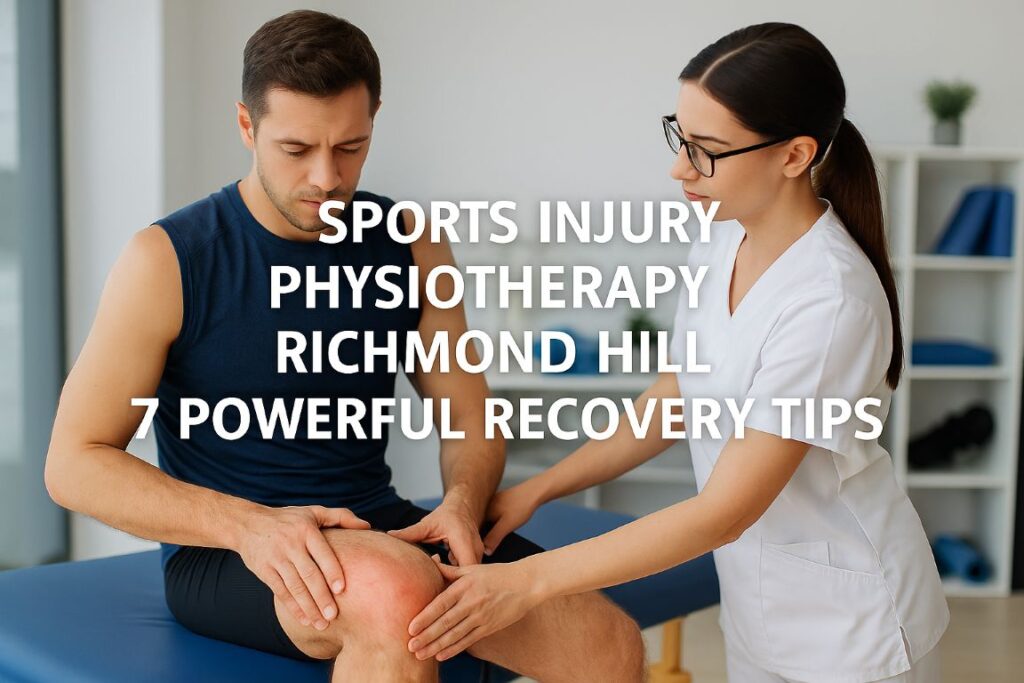
Sports injuries can happen to anyone—from a teenager playing competitive soccer to an adult returning to weekend tennis matches after years of inactivity. No matter the level, one thing is always the same:
an injury disrupts your routine, affects your confidence, and delays your progress.
If you’re dealing with pain, limited mobility, or a recent sport-related injury, our Sports Physiotherapy Richmond Hill team provides evidence-based assessment and personalized treatment to help you recover faster and return to your sport safely.
As physiotherapists at Remedy Physio Clinic Richmond Hill, we understand how frustrating it can be when pain forces you to step away from the sport you love. Each year, we treat hundreds of athletes across different age groups and skill levels. Through that experience, we’ve learned this:
👉 With proper assessment, early intervention, and an individualized rehabilitation plan, recovery happens faster, safer, and with fewer setbacks.
This article is designed to give you everything a recovering athlete needs:
- real timelines
- real examples from our clinic
- evidence-based treatment strategies
- and confidence that you can return stronger.
Our sports injury physiotherapy Richmond Hill program focuses on identifying the root cause of your injury and building a personalized recovery plan for athletes.
Understanding Sports Injuries: Causes, Risks & Realistic Recovery Timelines
Sports injuries often occur because of:
- sudden impact
- poor warm-up
- muscle imbalance
- training overload
- biomechanical faults
- weak stabilizing muscles
- fatigue and dehydration
According to Mayo Clinic, soft-tissue injuries, such as sprains, strains, and tendon irritation, make up one of the largest categories of sports-related medical visits.
In our clinic at Remedy Physio Clinic Richmond Hill, we observe similar patterns:
- Mild injuries (Grade 1 sprains/strains): 3–4 weeks
- Moderate injuries (Grade 2 strains or ligament injuries): 5–8 weeks
- Chronic tendon injuries treated with shockwave: 30–60% improvement after 3 sessions
- Overuse injuries: 4–10 weeks depending on training load and muscle imbalance
Case Example 1 – Grade 2 Hamstring Strain in a Soccer Player
A 24-year-old competitive soccer player came to us after feeling a sudden “pull” in the back of his thigh during acceleration. He tried to stretch it out, but the pain worsened over 24 hours.
Assessment Findings:
- Grade 2 hamstring strain
- Weak glute activation
- Poor hip mobility
- Pain during fast walking
Treatment Plan at Remedy Physio Clinic:
- Manual soft tissue release
- Shockwave therapy (3 sessions)
- Progressive eccentric hamstring strengthening
- Running gait correction
- Flexibility and hip mobility program
Timeline:
- Walking without pain: 1.5 weeks
- Light jogging: 3 weeks
- Sprint drills: 5 weeks
- Full return to play: 7 weeks
(Without physiotherapy, this often takes 10–12 weeks.)
1. Sprains and Muscle Strains
Sprains (ligaments) and strains (muscles) are the most common sports injuries worldwide. They often result from sudden twisting, overstretching, or explosive movement.
At our clinic, athletes usually describe:
- a sudden sharp pain
- swelling within hours
- stiffness the next day
- difficulty bearing weight
Physiotherapy Helps By:
- reducing pain and inflammation
- restoring mobility
- strengthening injured tissues
- preventing re-injury
In many cases, manual therapy + laser therapy significantly shortens healing time.
2. Knee Injuries (ACL, MCL, Meniscus, Runner’s Knee)
Knee injuries are particularly common in sports like soccer, basketball, volleyball, CrossFit, and running. We frequently see:
- ACL sprains
- MCL sprains
- Meniscus irritation
- Patellofemoral pain (Runner’s knee)
Why they happen:
- poor landing mechanics
- weak hip stabilizers
- sudden pivoting
- tight quads
Recovery Statistics from our Clinic:
- Mild MCL sprain: 3–5 weeks
- Meniscus irritation: 4–8 weeks
- Patellofemoral pain: responds well in 4–6 weeks
- ACL surgical cases: full rehab 6–12 months
3. Shoulder Injuries (Rotator Cuff, Impingement, Instability)
Throwing athletes (baseball), swimmers, weightlifters, and volleyball players are especially at risk.
Common Symptoms:
- sharp pain lifting the arm
- weakness when pressing overhead
- clicking or pinching sensation
Physiotherapy Approach:
- rotator cuff strengthening
- manual therapy for mobility
- postural correction
- scapular stabilization exercises
Real Case from Remedy Physio Clinic:
A 32-year-old swimmer regained full overhead strength in 6 weeks with structured rehab.
4. Tennis Elbow / Golfer’s Elbow (Lateral & Medial Epicondylitis)
This injury is not limited to tennis or golf players, any sport or activity that requires repetitive gripping, wrist flexion, or elbow rotation can trigger it.
We see it often in:
- weightlifters
- racquet sports
- CrossFit athletes
- pickleball players
- even desk workers who train on weekends
Typical Symptoms:
- sharp pain on the outer or inner elbow
- weakness when gripping
- pain lifting objects (even a coffee mug)
Why this injury can linger
Tendon tissue has poor blood supply → healing is naturally slow.
Our physiotherapy approach:
- Shockwave therapy → excellent for tendon regeneration
- Manual therapy for forearm tightness
- Isometric + eccentric strengthening
- Ergonomic + technique correction
Most patients feel improvement after 2–3 shockwave sessions, and full recovery takes 6–10 weeks depending on severity.
5. Ankle Sprains
Ankle sprains are among the most common injuries we treat at Remedy Physio Clinic Richmond Hill. They usually happen after:
- landing awkwardly
- stepping on another player’s foot
- losing balance during quick cuts
- sudden changes in direction
Symptoms:
- swelling within minutes to hours
- bruising
- sharp pain when weight-bearing
- instability or “wobbly” feeling
Why you should NEVER ignore an ankle sprain
If not treated properly, your risk of re-injury increases by 70%.
Physiotherapy treatment includes:
- swelling reduction (laser, IFC)
- restoring range of motion
- strengthening peroneal muscles
- balance + proprioception training
Real Case Example
A 17-year-old basketball player returned to full games in 4 weeks with consistent rehab.
Without physio, this commonly takes 6–8 weeks and may cause chronic ankle instability.
6. Muscle Tears & Overuse Injuries
Overuse injuries often happen when training intensity increases too quickly, or when an athlete returns to sport after a long break. Many athletes who visit us for sports injury physiotherapy Richmond Hill often report that early assessment prevents their mild injuries from becoming chronic.
Common examples we treat:
- calf tears in runners
- quad strains in football players
- groin strains in hockey players
- Achilles tightness from overtraining
What athletes usually report:
“I felt a sudden snap.”
“The tightness turned into sharp pain.”
“Now I can’t continue training.”
How physiotherapy helps
We guide you based on the healing phases:
- Inflammatory phase (1–7 days): pain/swelling management
- Proliferation phase (1–3 weeks): mobility & gentle loading
- Remodeling phase (3–8 weeks): strengthening + sport-specific drills
With proper progressive loading, athletes return better and stronger, not just “pain-free.”
7. Lower Back or Hip Strain in Athletes
Rotational sports such as tennis, golf, hockey, and CrossFit often cause lower back or hip strains.
Causes include:
- weak core stabilizers
- tight hip flexors
- limited rotation
- poor lifting mechanics
Symptoms:
- localized ache
- pain bending or twisting
- difficulty maintaining posture during sport
- stiffness after training
Physiotherapy approach:
- joint mobilization
- manual soft tissue release
- core retraining
- hip stability strengthening
- movement correction
Example from our clinic
A 35-year-old recreational golfer returned to full play in 5 weeks after:
- 4 physiotherapy sessions
- mobility program
- core stabilization exercises
- swing correction drills
Without proper rehab, this type of injury often turns into recurrent strain.
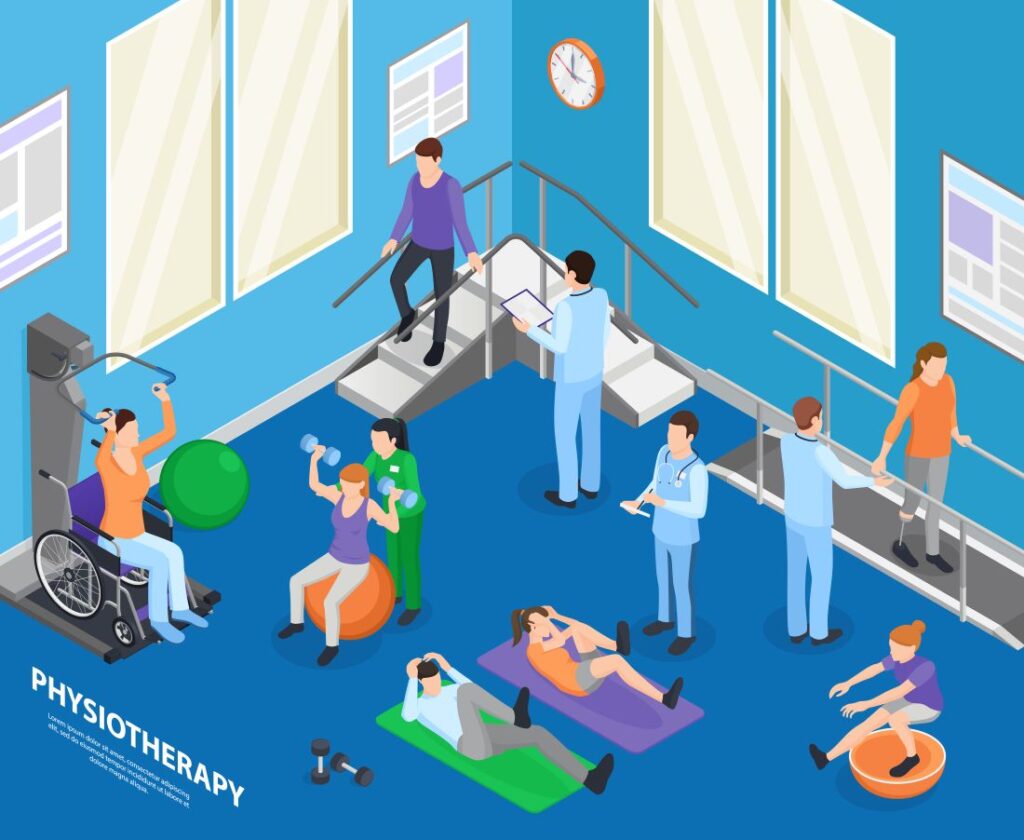
How Sports Injury Physiotherapy Richmond Hill Speeds Up Recovery
At Remedy Physio Clinic Richmond Hill, our treatment is not “one-size-fits-all.”
We carefully evaluate:
- your sport
- your injury history
- your biomechanics
- your training habits
- your goals
And then we build a plan that is specifically for you.
Our evidence-based approach includes:
✔ Manual Therapy
Improves mobility, reduces stiffness, and optimizes joint mechanics.
✔ Shockwave Therapy
Encourages tendon healing, reduces chronic pain, accelerates tissue regeneration.
Especially helpful for:
- tennis elbow
- Achilles tendinopathy
- jumper’s knee
✔ Laser Therapy
Reduces inflammation and speeds cellular repair.
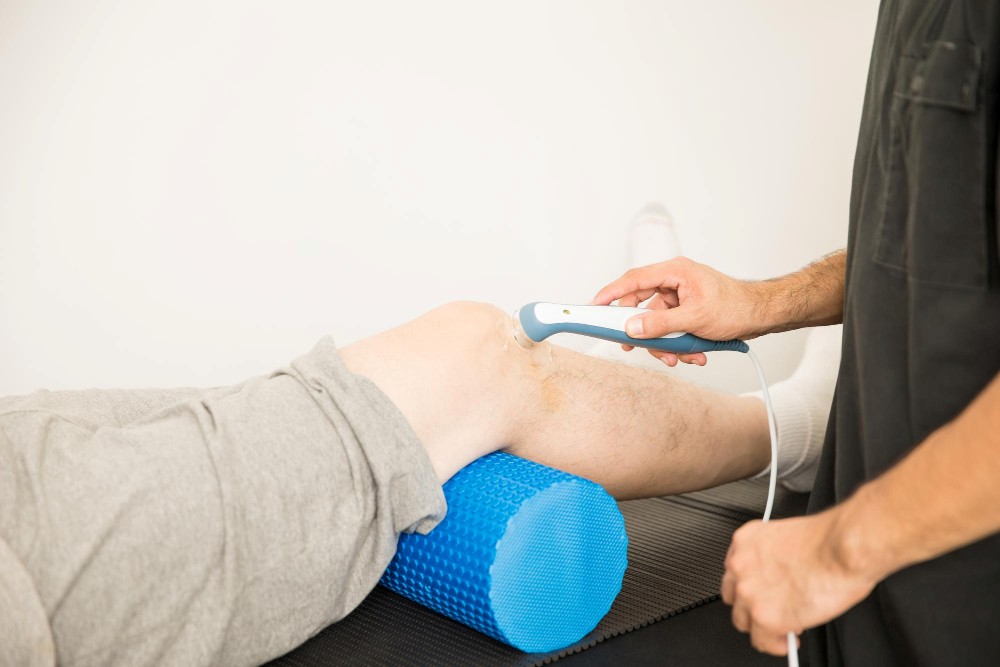
✔ Electrotherapy (TENS, IFC, Ultrasound)
Used to reduce pain, swelling, and promote healing.
✔ Personalized Exercise Programs
You’ll learn:
- strength progressions
- neuromuscular control
- sport-specific drills
- injury prevention techniques
Internal Clinic Data
At Remedy Physio Clinic, we track recovery outcomes across our patients. The following internal data reflects the typical timelines we observe in real clinical practice:
| Injury Type | Typical Recovery with Physio | No Physio / Delayed Treatment |
|---|---|---|
| Mild strains | 2–4 weeks | 4–6 weeks |
| Grade 2 strains | 5–8 weeks | 8–12 weeks |
| Tendon injuries | 3–8 weeks | 2–6 months |
| Shoulder impingement | 6–8 weeks | 10–16 weeks |
The difference is massive.
Early physiotherapy = faster recovery + fewer setbacks.
Based on our internal data, patients who begin sports injury physiotherapy Richmond Hill within the first week recover significantly faster than those who delay treatment.
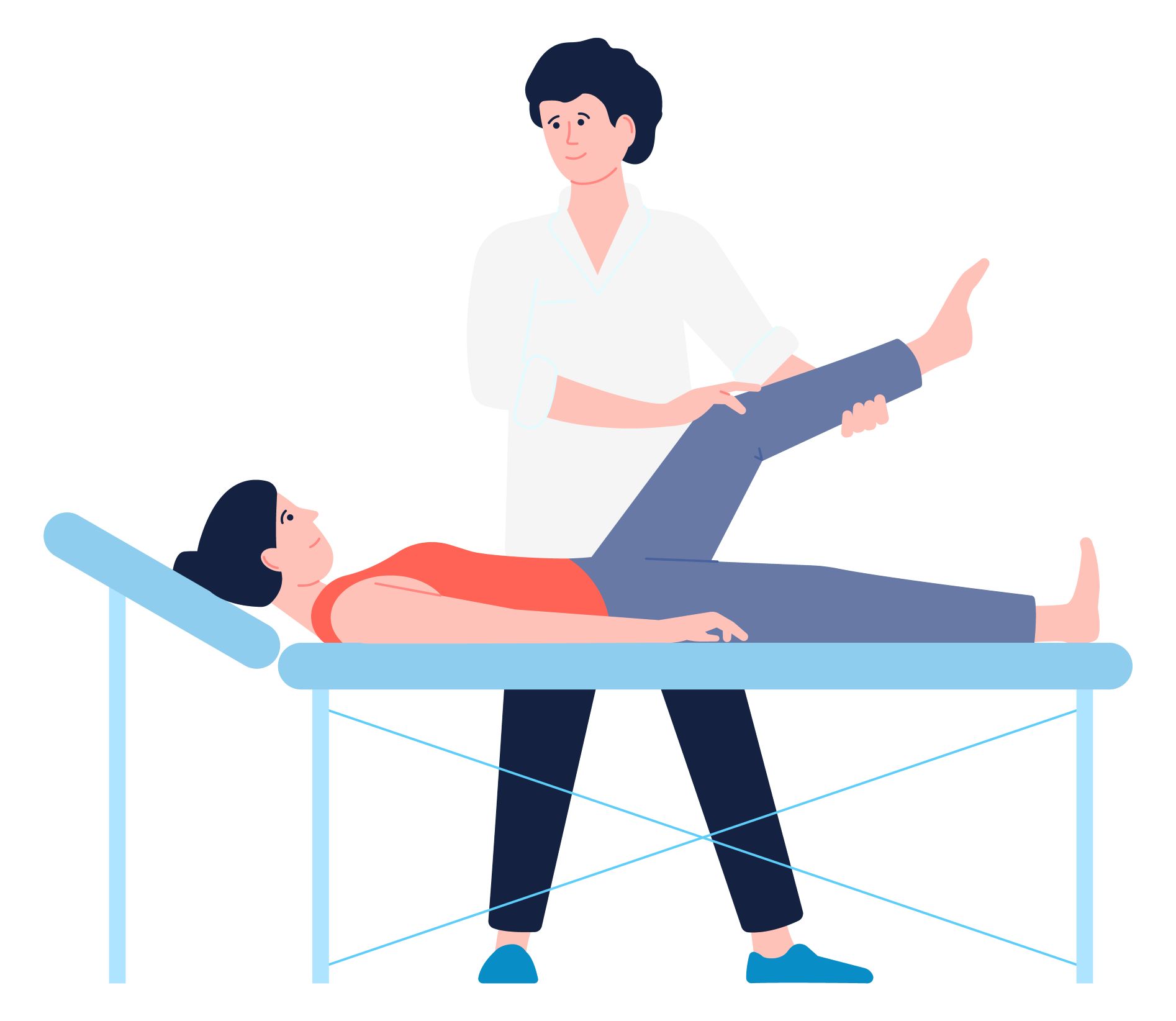
When Should You See a Sports Physiotherapist?
Many athletes wait too long before seeing a physiotherapist, hoping the pain will “go away on its own.”
But research shows that delayed treatment leads to longer recovery and higher re-injury risk, especially in ligament and tendon injuries.
You should see a physiotherapist if you experience:
- sharp pain during exercise
- swelling that lasts more than 24–48 hours
- pain that gets worse with movement
- clicking, locking, or instability in a joint
- difficulty bearing weight
- pain that keeps returning
- tightness or stiffness affecting performance
- discomfort that limits your range of motion
If any of these sound familiar, early physiotherapy intervention can reduce your recovery time by up to 50%.
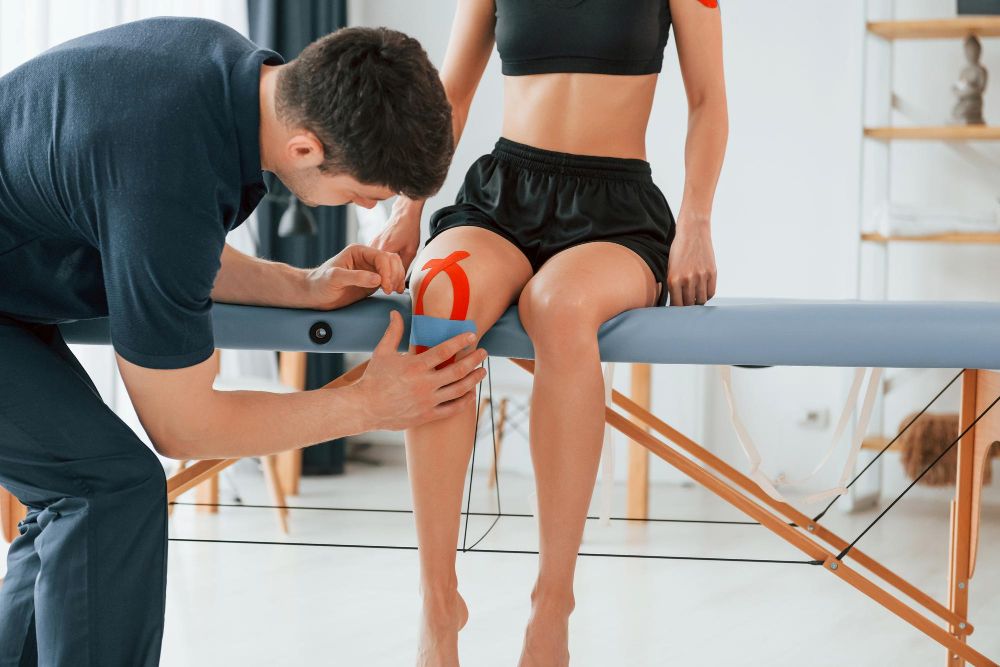
Advanced Physiotherapy Techniques Used at Remedy Physio Clinic
At Remedy Physio Clinic Richmond Hill, we combine several advanced treatment techniques to accelerate recovery and prevent future injuries. Here’s how we help you return stronger:
Manual Therapy in Sports Injury Physiotherapy Richmond Hill
Manual therapy is essential for restoring proper joint and muscle function, especially after strains, sprains, or overuse injuries.
We use:
- joint mobilization
- soft tissue release
- muscle energy techniques
- myofascial release
- trigger point therapy
This reduces stiffness, normalizes movement patterns, and allows athletes to load the injured area safely. At Remedy Physio Clinic, sports injury physiotherapy Richmond Hill integrates manual therapy, shockwave, and targeted exercises to speed up tissue healing.
If your sport-related injury also affects your lower back or causes stiffness during training, our full guide on back pain physiotherapy explains common causes, early warning signs, and effective treatment options.
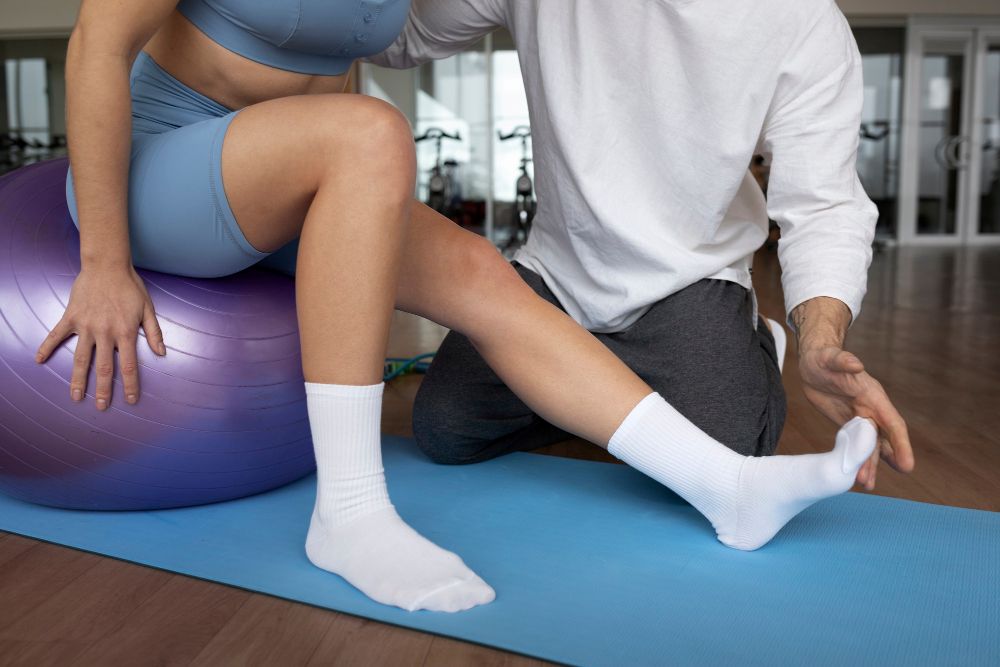
Shockwave Therapy for Tendon & Chronic Injuries
Shockwave Therapy for Sports Injuries is particularly effective for:
- Achilles tendinopathy
- tennis elbow
- jumper’s knee
- plantar fasciitis
- rotator cuff tendinopathy
Clinical research and our own patient data show significant improvement after 3–5 sessions, with faster return to sport.
Laser Therapy for Inflammation Reduction
Laser therapy accelerates the healing process by stimulating cellular repair and reducing inflammation.
It is especially helpful during early-stage recovery when swelling or sharp pain restricts movement.
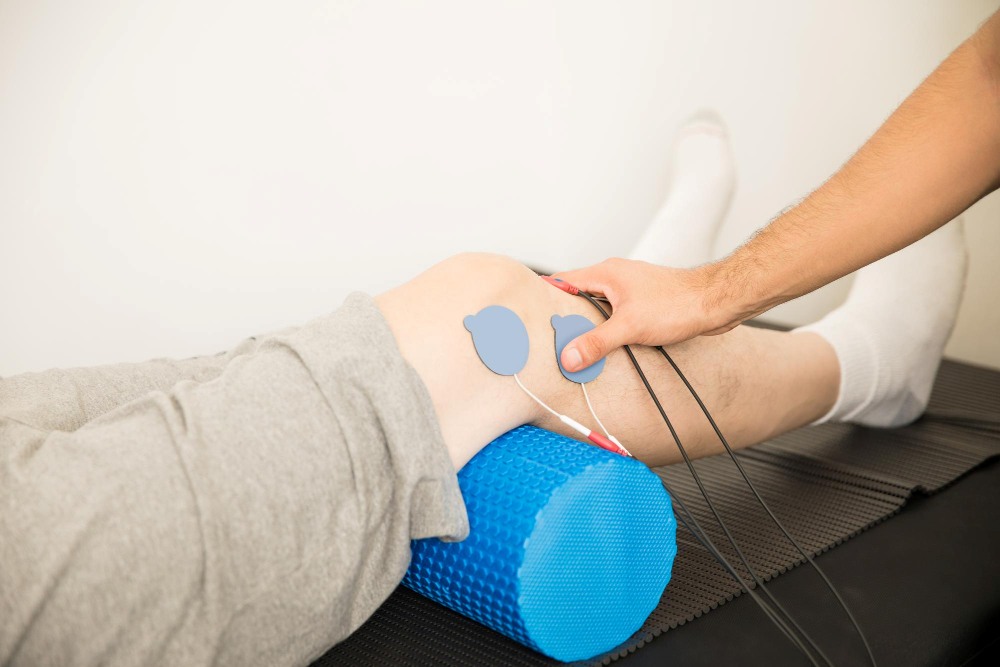
Electrotherapy (TENS, IFC, Ultrasound)
Electrotherapy helps reduce pain and swelling while promoting better tissue healing. We often use it early in the rehabilitation process, especially when athletes have difficulty moving due to discomfort.
Rehabilitation Exercises for Strength & Injury Prevention
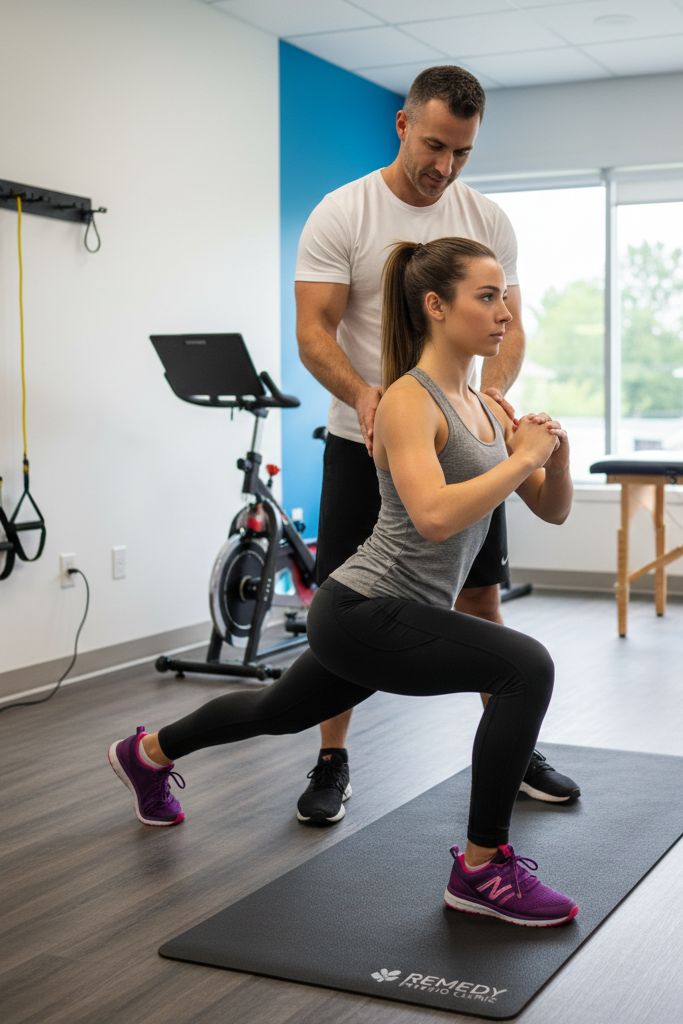
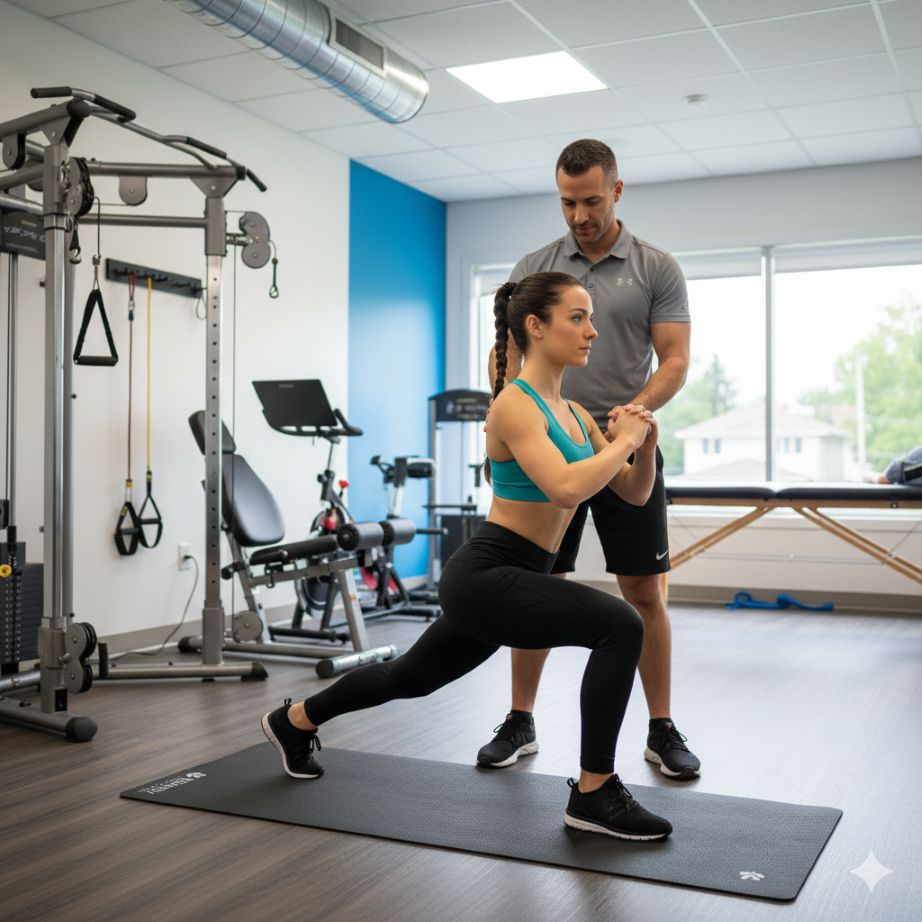
Personalized exercise programming is the core of physiotherapy. Our Rehabilitation Exercises Richmond Hill programs are designed to help you progress safely and effectively through:
Phase 1 — Pain reduction
Phase 2 — Mobility restoration
Phase 3 — Strength & neuromuscular control
Phase 4 — Sport-specific training
Phase 5 — Return-to-play clearance
These programs are built specifically for your sport: soccer, running, basketball, tennis, weightlifting, or CrossFit.
Case Example 3 – Marathon Runner With Chronic Knee Pain
A 40-year-old marathon runner came to us with chronic knee pain after rapidly increasing his training distance.
He had completed multiple races before, but this time the discomfort didn’t go away with rest.
Assessment Findings:
- weak glute medius
- limited hip internal rotation
- tight quads increasing load on the patella
- poor landing control during single-leg hopping
Treatment Plan:
- manual therapy for quads, hip flexors
- taping to unload the patellofemoral joint
- laser therapy for inflammation
- hip and quad strengthening
- running gait modification
Outcome:
Pain reduced by 60% within 3 weeks.
Returned to full training at week 6.
Completed the race successfully without flare-ups.
When You’re an Athlete, “Rest” Is Not a Treatment Plan
Resting alone rarely fixes the underlying problem.
Even if pain improves temporarily, the biomechanics, weakness, and mobility issues remain.
And when you return to sport:
💥 the injury comes back
💥 or another area compensates and gets injured
Physiotherapy helps you:
- understand why the injury happened
- fix the root cause
- build strength
- correct technique
- prevent future setbacks
This is why structured rehabilitation is essential.
Ready to Get Back in the Game? Book Your Sports Physio Session Now
At Remedy Physio Clinic Richmond Hill, we help athletes recover faster, move better, and return to sport with confidence.
Whether you’re dealing with a sprain, tendon pain, or performance limitations, our sports physiotherapists are ready to personalize your treatment.
📍 58 Major Mackenzie Dr East, Richmond Hill
📞 Call: (905) 737-1753
👉 Prefer booking online?
🔗 Book your appointment here
Let’s help you recover, rebuild, and return stronger than ever.
Frequently Asked Questions
Essential FAQs About Sports Injury Physiotherapy Richmond Hill
1. How long does it really take to recover from a sports injury?
Recovery time depends heavily on the type of injury, tissue damage, age, sport intensity, and how quickly you begin physiotherapy.
Based on our clinical data at Remedy Physio Clinic Richmond Hill:
- Mild sprains or strains: 2–4 weeks
- Moderate Grade 2 muscle strains: 5–8 weeks
- Tendon-related injuries (Achilles, tennis elbow): 6–12 weeks
- Shoulder impingement: 6–8 weeks
- Chronic or long-term overuse injuries: 8–16 weeks
Athletes who start physiotherapy early recover 30–50% faster than those who delay treatment.
2. Should I rest or start physiotherapy right away after an injury?
Complete rest rarely solves the underlying issue. While temporary rest can reduce pain, it does not:
- restore strength
- fix movement dysfunction
- correct muscle imbalance
- improve biomechanics
We recommend physiotherapy within 48–72 hours for most injuries.
Early treatment leads to faster healing and significantly reduces the risk of re-injury.
3. Is shockwave therapy effective for sports injuries?
Yes. Shockwave therapy is highly effective for chronic tendon injuries and stubborn pain that does not improve with exercise alone.
At our clinic, we see excellent results with:
- Tennis elbow
- Golfer’s elbow
- Achilles tendinopathy
- Patellar (jumper’s knee) tendon pain
- Rotator cuff tendinopathy
- Plantar fasciitis
Most athletes experience noticeable improvement after 2–3 sessions, and full tissue healing continues over several weeks.
4. How do I know if I need physiotherapy or if the injury will heal on its own?
You should see a physiotherapist if you experience:
- pain that lasts more than 48 hours
- swelling, bruising, or stiffness
- weakness during sport
- instability in a joint
- repeated injuries in the same area
- pain during lifting, running, jumping, or cutting
- discomfort that affects training performance
These signs indicate that the injury won’t fully heal without proper rehabilitation.
5. Can physiotherapy help prevent future sports injuries?
Absolutely.
Preventing injuries is one of the most important parts of sports physiotherapy. During your sessions, we identify:
- weak or underactive muscles
- mobility limitations
- faulty movement patterns
- strength imbalances
- training errors
- technique issues specific to your sport
We then design a personalized strength and injury-prevention program to keep you performing at your best.
6. Do I need manual therapy, or can I recover with exercises alone?
Most athletes benefit from a combination of both.
Manual therapy helps:
- reduce muscle tension
- improve joint mobility
- decrease pain
- prepare the body for strengthening
Exercises then build the stability and strength needed to support the tissue long-term.
Together, they create the fastest and safest path to full recovery.
7. Can I continue training while recovering from a sports injury?
In many cases, yes.
We often modify your activity instead of stopping it completely.
You may be able to continue with:
- lower-intensity training
- technique work
- cross-training
- mobility drills
- strength exercises for non-injured areas
Your physiotherapist will guide you based on your specific injury and training goals.
8. Is it normal to have pain when returning to sport?
Mild discomfort during early return-to-play stages can be normal.
However, sharp pain, swelling, limping, or instability are warning signs that your body is not ready.
Your physiotherapist will assess readiness with:
- strength testing
- functional movement tests
- sport-specific drills
- balance and stability assessments
Only when you meet certain criteria is it safe to return to full activity.
9. Do I need a doctor’s referral for sports physiotherapy?
In Ontario, no referral is required to see a physiotherapist.
You can book your assessment anytime.
However, some insurance plans may ask for a referral for reimbursement—your therapist at Remedy Physio Clinic can guide you through this process.
10. Can physiotherapy help if my injury happened months ago?
Yes. Chronic injuries often respond better to a structured rehabilitation plan because:
- the tissue needs progressive loading
- movement patterns need correction
- pain sensitization needs to be reduced
- strength must be restored
We successfully treat many athletes months after their initial injury.