5 Steps to Elite Recovery: Sports Physiotherapy Richmond Hill

The Athlete's Edge: Why Specialized Care Matters
Your Journey to Relief Begins Here.
As an athlete, your body operates under extreme conditions, demanding care that goes far beyond standard general physiotherapy. Whether you’re dealing with a sudden, acute tear or battling the limitations of chronic pain, our Sports Physiotherapy Richmond Hill team is dedicated to understanding the unique biomechanics of your specific sport. At Remedy Physio Clinic, our philosophy is clear: recovery is not just about reducing pain—it’s about optimizing performance and ensuring you return to play stronger, faster, and more resilient than you were before the injury.
The Remedy Clinic Difference: Our 3-Phase Approach to Peak Performance
Successful Sport Injury Rehab Richmond Hill requires a precise, strategic plan focused on athletic goals, not just baseline function. We structure your journey back to the field into three critical phases:
Phase 1: Precision Assessment and Biomechanical Analysis
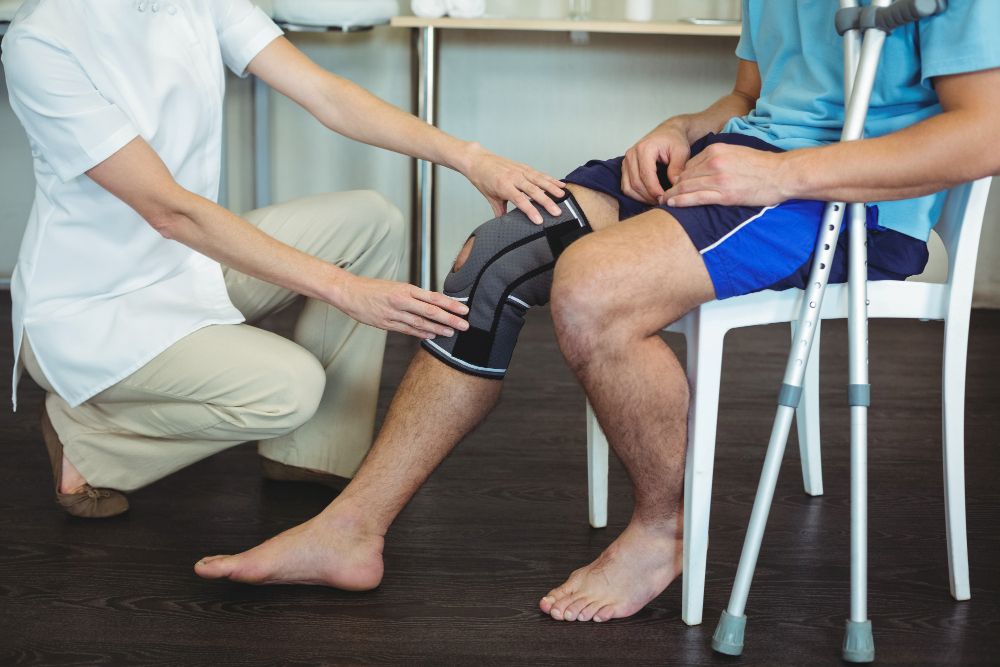
Initial Deep Dive: We conduct a comprehensive 360-degree evaluation, focusing not just on where you hurt, but on why the injury occurred in the first place (e.g., kinetic chain weaknesses, compensatory patterns).
Functional Screening: Utilizing objective testing, we analyze your body’s ability to perform sport-specific movements (running, jumping, throwing) to set measurable recovery goals.
Phase 2: Accelerated Healing and Targeted Intervention
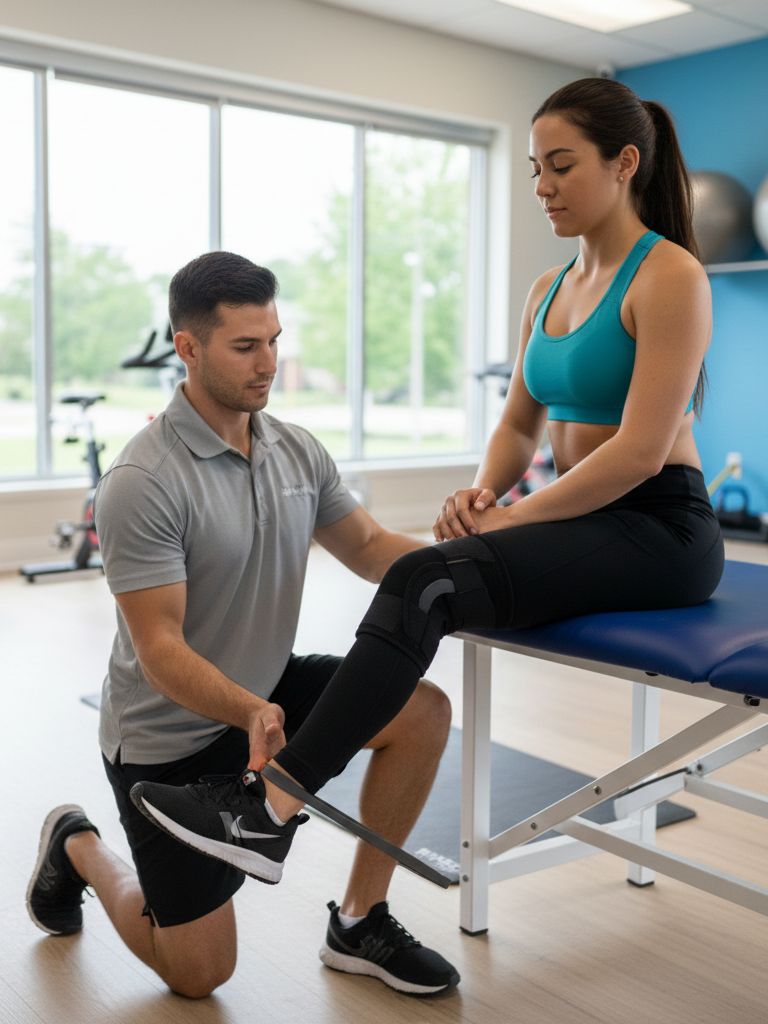
Aggressive, Safe Treatment: Our treatments are intensive yet safe, prioritizing rapid healing while maintaining tissue integrity.
Integrating Technology: We combine advanced hands-on manual therapy with cutting-edge modalities like Shockwave and Laser Therapy to accelerate cellular repair.
Phase 3: Performance Optimization & Return-to-Sport Protocols
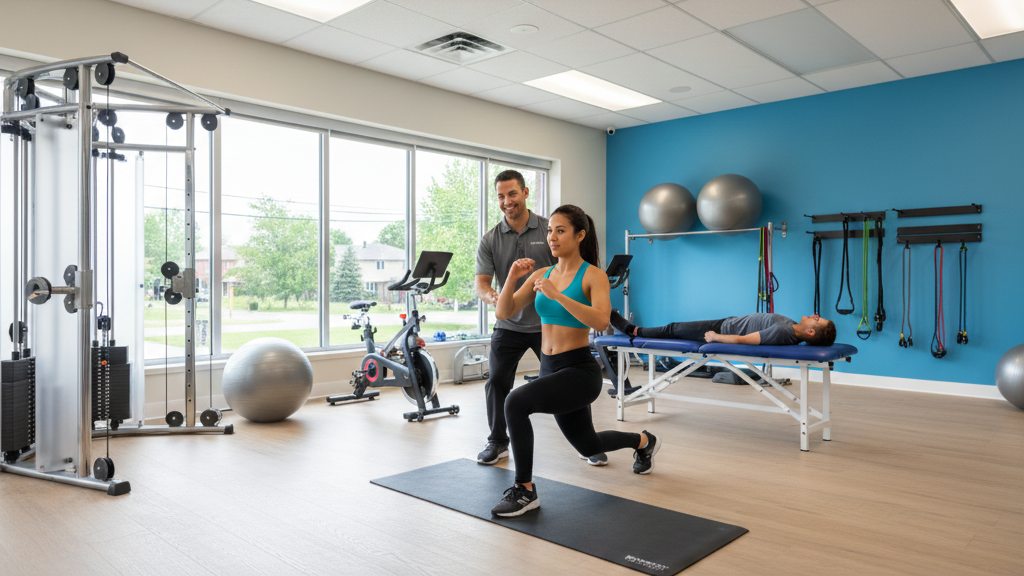
Before we clear you to play, we ensure your recovery is complete. This critical final phase of Sport Injury Rehab Richmond Hill involves advanced strength and conditioning protocols, agility drills, and objective testing that mimics the demands of your specific sport. We don’t guess, we test, to minimize the risk of re-injury.
Targeting Common Issues: Specialized Treatment for Every Sports Injury
As the Best Sports Injury Clinic Richmond Hill, we manage a wide spectrum of acute and chronic athletic conditions, tailoring our approach based on the specific tissue and demand of the sport. below we cover more about knee injury physio Richmond Hill.
Lower Body Excellence: Focus on Knee and Ankle
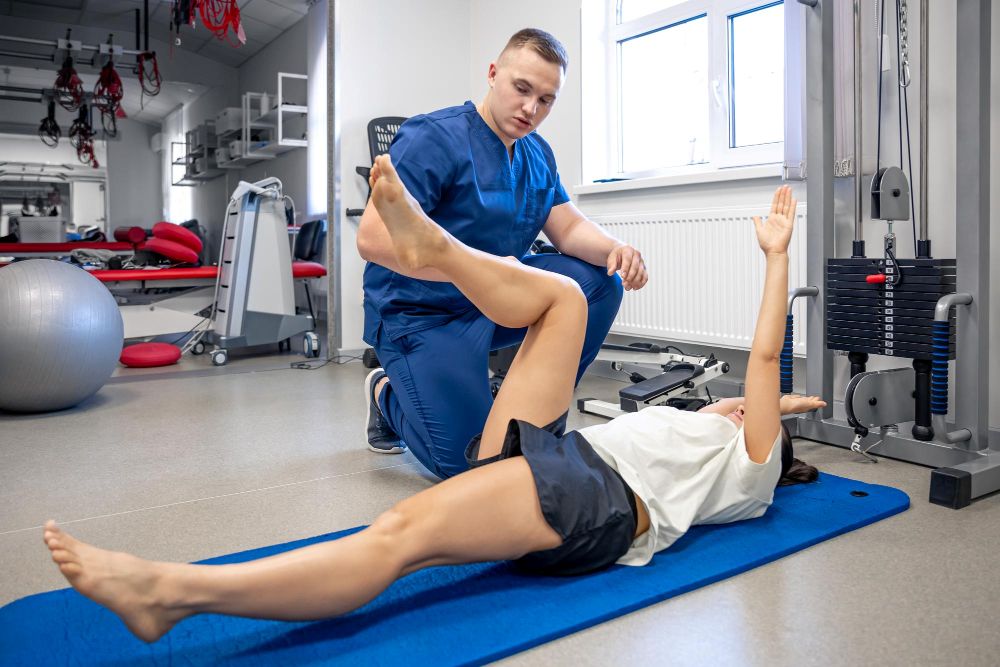
We specialize in high-stakes lower body rehabilitation (Knee Injury Physio Richmond Hill):
Knee Injury Physio Richmond Hill (H4): Addressing common issues like ACL tears, Meniscus damage, and Patellofemoral pain. We ensure stability and rotational control. (Must use the keyword Knee Injury Physio Richmond Hill.)
Ankle and Foot (H4): Advanced treatment for high ankle sprains, Achilles tendonitis, and plantar fasciitis in runners.
Upper Body Expertise: Shoulder, Elbow, and Spine
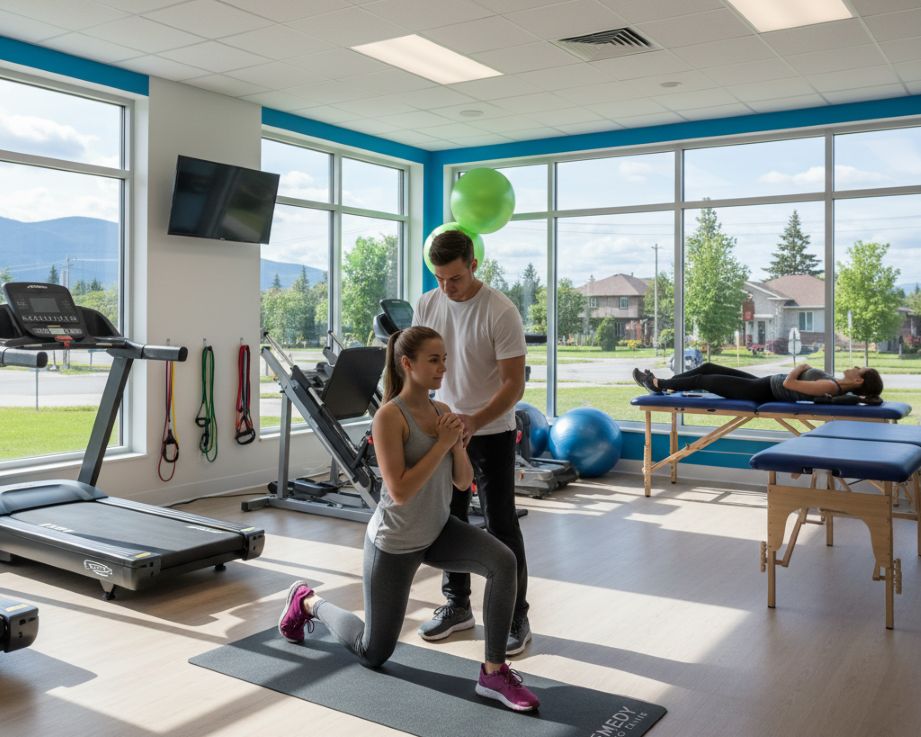
Shoulder Rehabilitation: Specialized programs for rotator cuff tears, labral injuries, and shoulder impingement, crucial for throwing and overhead athletes.
Spinal Mobility: Ensuring the spine and core have the necessary stability and flexibility to transfer power effectively.
Our Advanced Treatment Arsenal: Cutting-Edge Techniques
Successful Sport Injury Rehab Richmond Hill requires a precise, strategic plan focused on athletic goals, not just baseline function. We structure your journey back to the field into three critical phases:
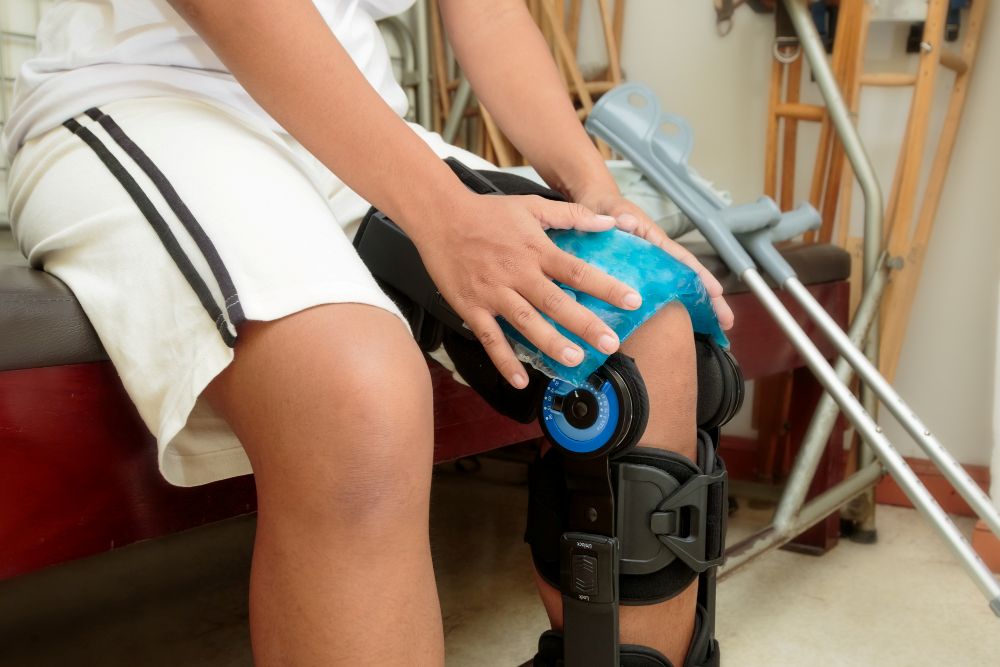
To ensure we maintain our reputation as the Best Sports Injury Clinic Richmond Hill, we invest in evidence-based technologies that accelerate tissue repair:
Manual Therapy and Mobilization: Our expert physiotherapists use hands-on techniques to immediately restore joint mobility and reduce muscle hypertonicity.
Shockwave Therapy: Highly effective for chronic tendon injuries common in athletics (Achilles, Patellar Tendinitis), jump-starting the body’s natural healing process.
At Remedy Clinic, our protocols are always based on the latest science. We proudly adhere to the standards and evidence-based guidelines set by national bodies to ensure your recovery is safe, effective, and compliant with the highest level of care.
Dry Needling: Used to target deep trigger points and myofascial restrictions, essential for unlocking muscle function and range of motion after intense training.
Ready for Sport Injury Rehab Richmond Hill? Book Your Assessment Today!
Don’t wait until the pain worsens. Starting your Sport Injury Rehab Richmond Hill program immediately is the single most critical factor in achieving a full, fast return to play.
Frequently Asked Questions (FAQs)
Sports physiotherapy focuses on assessing, treating, and rehabilitating injuries related to sports, exercise, and physically demanding activities. Treatment considers the movements, physical demands, training schedule, and performance goals associated with the patient's sport or activity.
Both use physiotherapy assessment and rehabilitation principles. Sports physiotherapy places additional emphasis on athletic movement, strength, power, agility, training load, sport-specific exercises, and a gradual return to participation and performance.
Sports physiotherapy may help with muscle strains, ligament sprains, tendon-related conditions, knee and ankle injuries, shoulder injuries, running injuries, back pain, joint stiffness, and rehabilitation following certain fractures or surgeries. Treatment depends on the injury, its severity, and the individual's assessment findings.
No. Sports physiotherapy can help competitive athletes, recreational players, runners, cyclists, gym members, active adults, and people beginning a new exercise program. Treatment is adapted to the person's activity level and goals.
Consider an assessment when pain, swelling, weakness, instability, or restricted movement affects training or daily activities. Seek urgent medical attention for a suspected fracture or dislocation, a visible deformity, severe swelling, inability to bear weight, loss of sensation, or symptoms of a possible concussion.
The physiotherapist will discuss how the injury occurred, your symptoms, previous injuries, training schedule, sport, and recovery goals. The physical assessment may examine mobility, strength, balance, stability, movement control, and sport-specific activities such as running, jumping, throwing, or changing direction.
It depends on the injury and the activities that aggravate it. Complete rest is not always required; a physiotherapist may recommend modifying your training volume, intensity, exercises, or sport participation while maintaining safe activities that support recovery.
Treatment may include therapeutic exercise, progressive strengthening, mobility work, balance training, movement retraining, manual therapy, and activity or workload modification. Additional treatments may be considered when appropriate, but they should support an active rehabilitation program.
Recovery time varies according to the injured tissue, severity, symptom duration, previous injuries, physical demands, and response to rehabilitation. Minor injuries may improve within several weeks, while significant ligament, tendon, or post-surgical conditions may require a longer program. A more individualized estimate can be provided after an assessment.
Return-to-sport decisions should consider more than pain alone. The physiotherapist may evaluate mobility, strength, balance, confidence, workload tolerance, movement quality, and performance during exercises that reflect the demands of your sport. Return to sport is usually a gradual progression rather than a single clearance test.
No treatment can guarantee that an injury will not recur. Sports physiotherapy may help reduce modifiable risks by improving strength, mobility, balance, movement control, workload management, and sport-specific preparation. Following the rehabilitation and return-to-sport plan remains important.
A referral is generally not required to receive physiotherapy at a private clinic in Ontario. Many extended health insurance plans include physiotherapy, but coverage limits and referral requirements vary. Patients should confirm the details of their individual insurance plan before treatment.
Please fell free to read our patient’s testimonials on our Google page or leave us a review about your personal experience at Remedy Physio Clinic.