
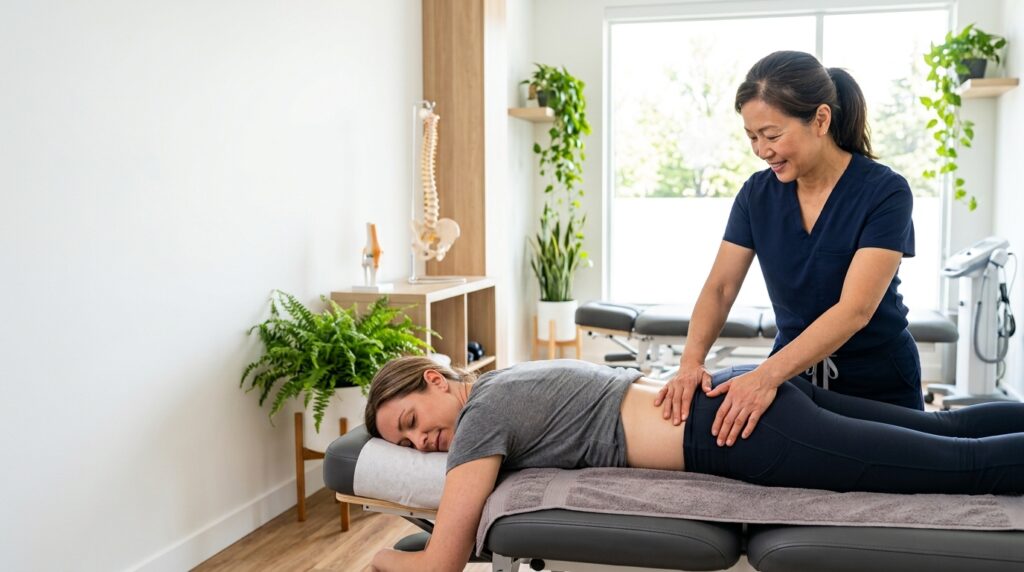
Many people experience pain, stiffness, muscle tightness, or restricted movement that interferes with work, exercise, or everyday activities. Whether these symptoms develop after an injury, prolonged sitting, repetitive movements, or gradual wear and tear, improving how the body moves is often an important part of recovery. Individuals searching for Manual Therapy Richmond Hill are usually looking for a hands-on treatment approach that focuses on restoring movement, reducing discomfort, and supporting long-term physical function.
Manual therapy is one of the most widely used treatment approaches in physiotherapy. It involves skilled hands-on techniques performed by a trained physiotherapist to improve joint mobility, reduce muscle tension, restore normal movement, and complement active rehabilitation. Rather than simply addressing where pain is felt, manual therapy focuses on identifying movement restrictions and mechanical factors that may be contributing to symptoms.
When combined with therapeutic exercise, education, and rehabilitation, manual therapy may help individuals recover from a wide variety of musculoskeletal conditions while supporting long-term movement health.
Quick Answers About Manual Therapy
What is manual therapy?
Manual therapy is a hands-on physiotherapy treatment that uses specialized techniques to improve joint mobility, reduce muscle tension, and restore movement.
What conditions can manual therapy help?
Manual therapy may help with back pain, neck pain, sports injuries, joint stiffness, muscle tightness, and many musculoskeletal conditions.
Is manual therapy the same as massage therapy?
No. Manual therapy focuses on improving movement and joint function, while massage therapy primarily focuses on muscle relaxation and circulation.
Can manual therapy help back pain?
Manual therapy may improve spinal mobility, reduce muscle tension, and support rehabilitation for individuals experiencing back pain.
What Is Manual Therapy?
One of the most common questions patients ask is, “What is manual therapy?”
Manual therapy is a specialized form of physiotherapy that uses hands-on assessment and treatment techniques to improve movement and function. It involves the use of skilled manual techniques to mobilize joints, stretch soft tissues, reduce muscle tightness, and improve overall mobility.
Unlike treatments that rely primarily on machines or equipment, manual therapy places the physiotherapist’s hands at the center of treatment. Each technique is carefully selected based on a detailed physical assessment and the patient’s individual presentation.
Manual therapy is often used together with exercise therapy because restoring movement and improving strength typically work best when combined.
How Does Manual Therapy Work?
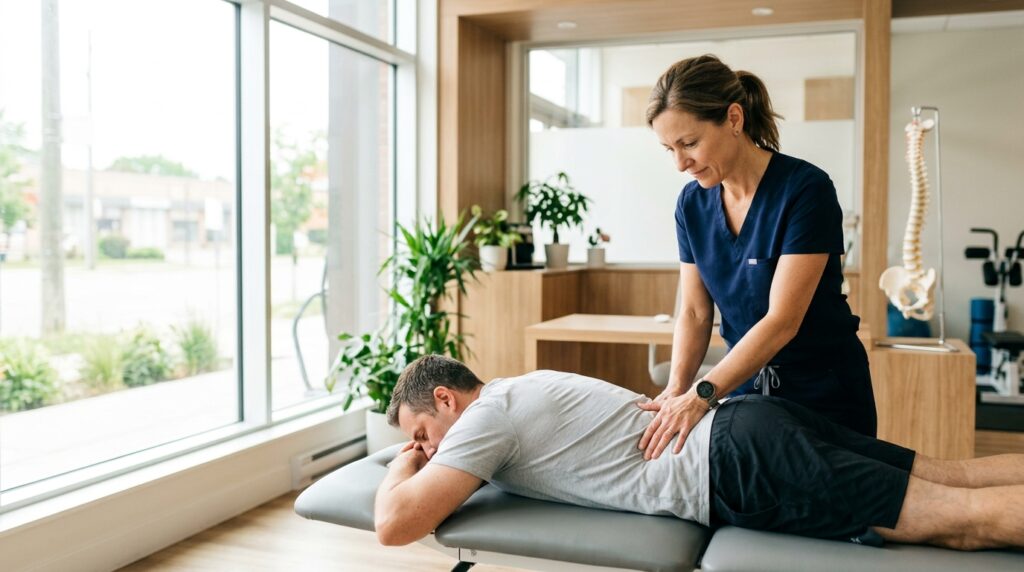
Hands-On Physiotherapy Richmond Hill| Every manual therapy treatment begins with a comprehensive assessment.
Your physiotherapist may evaluate:
• Medical history
• Current symptoms
• Posture
• Joint mobility
• Muscle flexibility
• Strength
• Functional movement
• Balance
• Daily activity demands
Following the assessment, your physiotherapist develops an individualized treatment plan that addresses the factors contributing to your symptoms.
Treatment techniques may include:
• Joint mobilization
• Soft tissue mobilization
• Myofascial release
• Muscle stretching
• Trigger point therapy
• Passive movement techniques
• Assisted range-of-motion exercises
Each treatment is adapted to the patient’s comfort level and rehabilitation goals.
Conditions That May Benefit From Manual Therapy
Manual therapy is commonly incorporated into physiotherapy programs for a wide range of musculoskeletal conditions.
These may include:
• Back pain
• Neck pain
• Shoulder pain
• Hip pain
• Knee pain
• Sciatica
• Sports injuries
• Muscle strains
• Ligament sprains
• Joint stiffness
• Postural dysfunction
• Tendon-related conditions
• Repetitive strain injuries
Treatment recommendations always depend on a comprehensive assessment of the individual’s condition.
Hands-On Physiotherapy Richmond Hill
Many people searching for Hands-On Physiotherapy Richmond Hill are looking for treatment that goes beyond exercise alone.
Hands-on physiotherapy may help:
• Improve joint mobility
• Reduce muscle tightness
• Restore flexibility
• Improve movement quality
• Increase comfort during rehabilitation
• Support return to daily activities
Hands-On Physiotherapy Richmond Hill | Manual therapy often prepares the body for active rehabilitation by improving movement before progressing to strengthening and functional exercise.
Manual Therapy for Back and Neck Pain
Back pain and neck pain remain two of the most common reasons people seek physiotherapy.
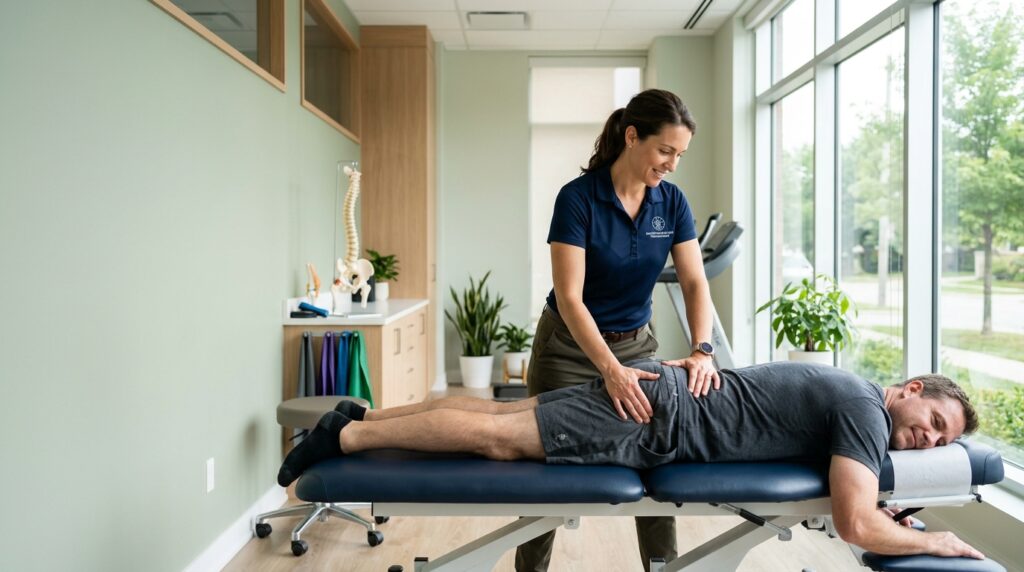
Manual therapy for back and neck pain may include techniques that help improve joint mobility, reduce muscle tension, and restore normal movement patterns.
Treatment is commonly combined with:
• Core strengthening
• Stretching
• Postural education
• Ergonomic advice
• Functional exercise
• Movement retraining
The goal is not simply to reduce discomfort but to improve how the body moves during everyday activities.
Manual Therapy for Better Movement
How does manual therapy work?
Manual therapy uses hands-on techniques to improve joint mobility, reduce soft tissue restrictions, and restore healthy movement patterns.
Who may benefit from manual therapy?
Office workers, athletes, active adults, and individuals recovering from injury may benefit from manual therapy.
Can manual therapy improve mobility?
Yes. Manual therapy aims to improve flexibility, joint movement, and overall physical function.
Is manual therapy part of physiotherapy?
Yes. Manual therapy is one of the core treatment approaches used by physiotherapists alongside exercise and rehabilitation.
Manual Therapy vs Massage Therapy
Patients often ask about the difference between manual therapy and massage therapy.
Although both involve hands-on treatment, they have different purposes.
Massage therapy primarily focuses on relaxing muscles, improving circulation, and promoting general wellness.
Manual therapy focuses on restoring joint mechanics, improving movement quality, reducing mobility restrictions, and addressing biomechanical dysfunction identified during a physiotherapy assessment.
Manual therapy is usually integrated into a rehabilitation program that also includes exercise, education, and movement correction.
The two therapies are not competitors. In many situations they complement one another.
Benefits of Manual Therapy
What Is Manual Therapy? | Manual therapy may provide several important rehabilitation benefits.
Potential benefits include:
• Improved joint mobility
• Better flexibility
• Reduced muscle tension
• Increased range of motion
• Improved movement quality
• Better posture
• Improved participation in rehabilitation exercises
• Support for injury recovery
The primary goal is to help patients move more comfortably while addressing the underlying mechanical contributors to dysfunction.
What Happens During a Manual Therapy Appointment?
A typical appointment begins with a discussion of symptoms, medical history, and activity goals.
Your physiotherapist then performs a physical examination to evaluate movement, flexibility, joint function, posture, and muscle performance.
Depending on the assessment findings, treatment may involve one or more manual therapy techniques followed by individualized rehabilitation exercises.
Patients may also receive:
• Home exercise recommendations
• Stretching programs
• Ergonomic advice
• Activity modification strategies
• Education regarding posture and body mechanics
Each treatment plan is personalized according to the individual’s needs.
Is Manual Therapy Painful?
Manual therapy is generally designed to be comfortable and adjusted according to each patient’s tolerance.
Some techniques may create mild temporary discomfort when treating sensitive or restricted tissues. This is often short-lived and your physiotherapist will continually communicate with you throughout treatment.
Following treatment, some individuals may notice temporary soreness similar to what can occur after exercise.
Who May Benefit From Manual Therapy?
Many individuals can benefit from manual therapy as part of physiotherapy.
This includes:
• Office workers
• Athletes
• Active adults
• Individuals recovering from surgery
• People with repetitive strain injuries
• Individuals experiencing chronic joint stiffness
• People with posture-related discomfort
An assessment helps determine whether manual therapy is appropriate for your specific condition.
Manual Therapy as Part of Comprehensive Rehabilitation
Manual therapy is rarely used as a stand-alone treatment.
Modern physiotherapy often combines manual therapy with:
• Therapeutic exercise
• Strength training
• Stretching
• Medical acupuncture
• Chiropractic care
• Osteopathy
• Shockwave therapy
• Education
This integrated approach addresses both symptoms and the factors contributing to movement dysfunction.
Why Early Treatment Matters
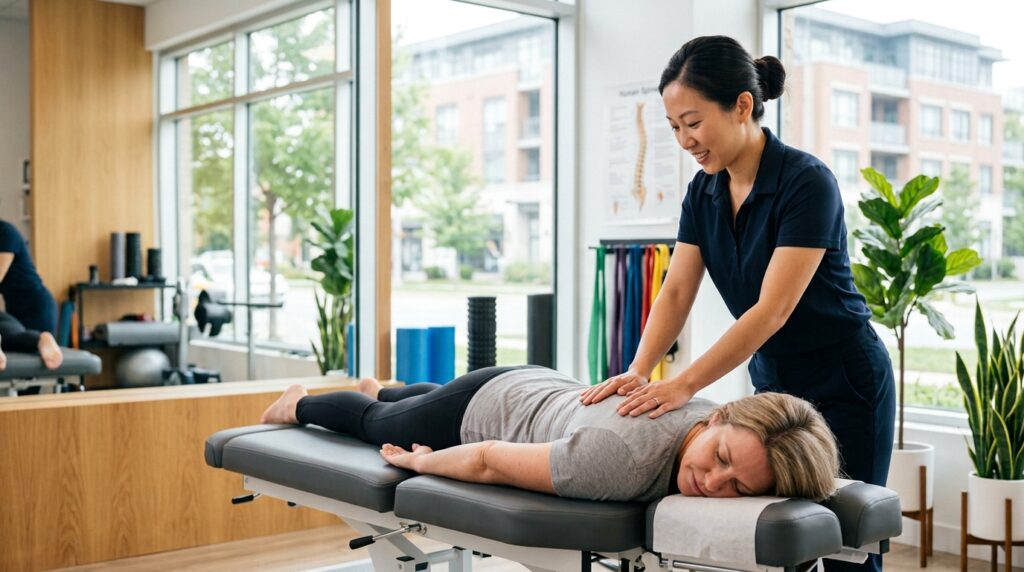
Small movement restrictions can gradually contribute to larger functional problems if left unaddressed.
Early physiotherapy assessment may help identify:
• Joint stiffness
• Muscle imbalance
• Movement dysfunction
• Poor posture
• Mechanical overload
• Functional limitations
Addressing these issues early may help improve recovery while supporting long-term physical function.
Key Takeaways About Manual Therapy
Manual therapy is a specialized hands-on physiotherapy treatment.
It focuses on improving movement, reducing joint restrictions, and restoring function.
Manual therapy is commonly combined with exercise therapy, education, and rehabilitation.
Back pain, neck pain, sports injuries, and joint stiffness are common reasons people seek manual therapy.
Every treatment plan begins with a personalized physiotherapy assessment.
Manual Therapy Richmond Hill
Individuals searching for Manual Therapy Richmond Hill are often looking for an evidence-informed, hands-on approach to improving mobility and managing musculoskeletal pain. By combining careful assessment with skilled manual treatment, exercise, and rehabilitation, physiotherapists help patients restore movement and return to daily activities more comfortably.
Whether you are recovering from an injury, managing ongoing joint stiffness, or seeking improved movement quality, manual therapy may become an important component of your personalized rehabilitation plan.
FAQs | Manual Therapy Richmond Hill
Manual therapy is a hands-on physiotherapy approach that uses specialized techniques to improve joint mobility, reduce muscle tension, restore movement, and support musculoskeletal rehabilitation.
Manual therapy may use techniques such as joint mobilization, soft-tissue mobilization, stretching, and myofascial release. The selected techniques are intended to address movement restrictions and other physical factors identified during an assessment.
Manual therapy may be incorporated into care for back pain, neck pain, shoulder pain, sports injuries, joint stiffness, muscle tightness, tendon-related conditions, sciatica, and other musculoskeletal concerns. Suitability depends on the individual's condition and assessment findings.
No. Manual therapy in physiotherapy commonly focuses on joint mobility, movement restrictions, and physical function. Massage therapy commonly focuses on muscles and other soft tissues. The approaches have different scopes and goals, although they may complement one another.
Manual therapy may help improve spinal mobility, reduce muscle tightness, and make movement or exercise more comfortable for some people with back pain. It is commonly used alongside therapeutic exercise, education, and activity modification rather than as a stand-alone treatment.
Manual therapy may help improve joint mobility, reduce muscle tension, and support movement for some people with neck pain or stiffness. Treatment should be selected after an assessment and may be combined with exercises, postural guidance, and ergonomic recommendations.
Manual therapy is generally adjusted to the patient's condition and comfort level. Some techniques may cause mild or temporary discomfort or soreness, especially when sensitive tissues are treated. Tell your physiotherapist if a technique feels uncomfortable or aggravates your symptoms.
An appointment usually begins with a review of your symptoms, health history, movement limitations, and goals. The physiotherapist may then perform a physical assessment, use appropriate hands-on techniques, and recommend exercises, posture adjustments, or activity modifications.
The number and frequency of appointments depend on the condition, symptom severity, functional limitations, rehabilitation goals, and response to treatment. A physiotherapist can provide a more individualized recommendation after completing an assessment and monitoring your progress.
Yes. Manual therapy is commonly combined with therapeutic exercise, strengthening, mobility work, education, and a personalized rehabilitation program. Other treatment options may be considered when clinically appropriate.
People experiencing musculoskeletal pain, sports injuries, joint stiffness, posture-related discomfort, repetitive-strain concerns, or movement limitations may be considered for manual therapy. A physiotherapy assessment is needed to determine whether it is appropriate for a particular individual.
Consider a professional assessment if ongoing pain, reduced mobility, muscle tightness, joint stiffness, or movement limitations interfere with work, exercise, sleep, or daily activities. The assessment can help determine whether manual therapy should be included in your treatment plan.
Please fell free to read our client's testimonials on our Google page or leave us a review about your personal experience at Remedy Physio Clinic. Understanding Back Pain and How Physiotherapy Can Help > Read about Back Pain Treatment