

Many people experience pain, stiffness, reduced mobility, or recurring musculoskeletal discomfort that affects their ability to work, exercise, or enjoy everyday activities. Whether symptoms develop gradually over time or appear following an injury, finding the right treatment approach is an important part of recovery. Individuals searching for Osteopathy Richmond Hill are often looking for a hands-on, non-invasive approach that focuses on improving movement and supporting the body’s natural ability to function.
Osteopathy is a manual healthcare approach that focuses on the relationship between the body’s muscles, joints, ligaments, connective tissues, and overall movement. Rather than treating only the area where pain is felt, osteopathic treatment considers how different parts of the body work together and how movement restrictions may contribute to discomfort.
For many individuals, osteopathic treatment becomes part of a comprehensive rehabilitation plan designed to improve mobility, restore function, and help reduce the likelihood of recurring symptoms.
Quick Answers About Osteopathy
What is osteopathy?
Osteopathy is a hands-on treatment approach that focuses on improving movement, mobility, and overall musculoskeletal function through manual therapy.
What conditions can osteopathy help?
Osteopathy may help with back pain, neck pain, joint stiffness, muscle tension, sports injuries, postural problems, and other musculoskeletal conditions.
How does osteopathic treatment work?
Osteopathic treatment uses manual techniques to assess and improve joint mobility, muscle function, and movement patterns throughout the body.
Is osteopathy the same as physiotherapy?
No. While both aim to improve movement and function, osteopathy emphasizes hands-on manual treatment, whereas physiotherapy often combines manual therapy with rehabilitation exercises and other treatment techniques.
What Is Osteopathy?
One of the most common questions people ask is, “What is osteopathy?”
Osteopathy is a form of manual therapy that focuses on assessing and treating the body’s musculoskeletal system. Osteopathic practitioners use hands-on techniques to evaluate movement, joint function, muscle tension, and overall body mechanics.
The philosophy behind osteopathy is that the body’s structure and function are closely connected. When movement restrictions or mechanical imbalances develop, they may affect how the body functions during everyday activities.
Osteopathic treatment aims to improve movement, restore mobility, reduce tissue tension, and support overall physical function through manual techniques tailored to each individual’s needs.
Unlike treatments that focus solely on managing symptoms, osteopathy seeks to identify contributing factors that may be affecting the body’s natural movement patterns.
How Does Osteopathic Treatment Work?
Osteopathic Treatment Richmond Hill | Osteopathic treatment begins with a comprehensive assessment of the individual rather than focusing only on the painful area.
During an assessment, the practitioner may evaluate:
• Posture
• Joint mobility
• Muscle tension
• Flexibility
• Movement patterns
• Functional limitations
• Lifestyle factors
• Previous injuries
This assessment helps identify movement restrictions or biomechanical issues that may be contributing to pain or reduced function.
Treatment may involve a combination of manual techniques designed to improve joint mobility, reduce muscle tightness, improve circulation, and encourage more efficient movement throughout the body.
Depending on the individual’s condition, treatment may also include education, stretching recommendations, strengthening exercises, and advice on posture or activity modification.
What Conditions Can Osteopathy Help?
What Is Osteopathy? | Many people wonder what conditions osteopathy may help address.
Because osteopathy focuses on the musculoskeletal system, it is commonly used for a wide range of movement-related concerns.
These may include:
• Back pain
• Neck pain
• Shoulder pain
• Hip pain
• Knee pain
• Muscle tightness
• Sports injuries
• Joint stiffness
• Postural discomfort
• Repetitive strain injuries
• Headaches associated with neck tension
• Reduced mobility
Osteopathic Treatment Richmond Hill | Each person’s situation is unique. An assessment helps determine whether osteopathic treatment is appropriate based on the individual’s symptoms, medical history, and treatment goals.
Osteopathy vs Physiotherapy
Should I choose osteopathy or physiotherapy?
The most appropriate treatment depends on your condition, symptoms, goals, and assessment findings. In many situations, both approaches can complement one another.
Can osteopathy improve mobility?
Osteopathic treatment focuses on improving joint mobility, flexibility, and overall movement quality.
Does osteopathy involve exercise?
Many treatment plans include education, stretching, strengthening exercises, and advice to support long-term recovery.
Who may benefit from osteopathy?
Individuals with musculoskeletal pain, movement restrictions, posture-related discomfort, or sports injuries may benefit from an osteopathic assessment.
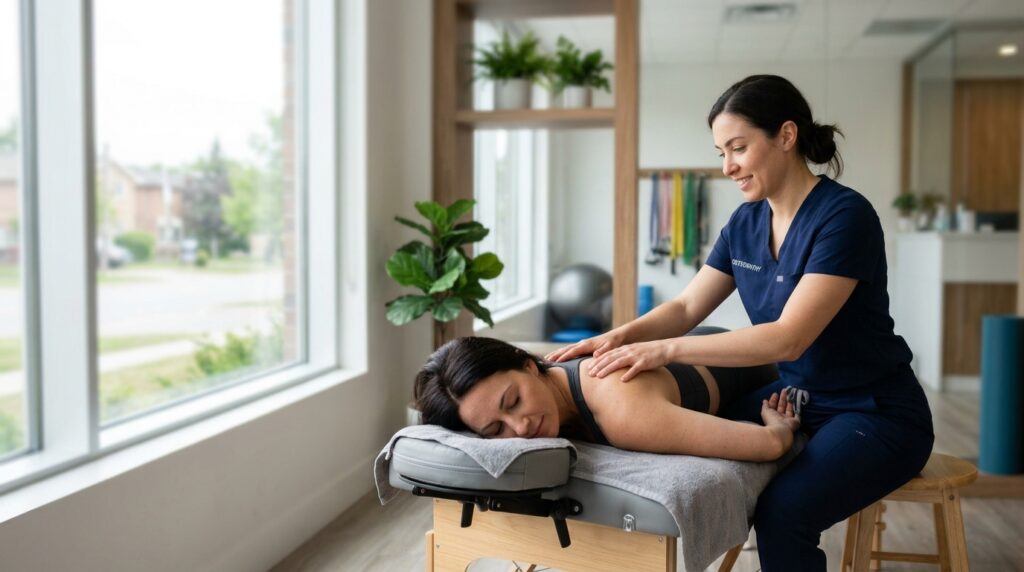
Osteopathy vs Physiotherapy
A common question patients ask is whether they should choose osteopathy or physiotherapy.
While both professions focus on improving movement and function, they often use different approaches and may complement one another.
Physiotherapy frequently combines exercise therapy, rehabilitation programs, education, movement retraining, and various therapeutic modalities to improve recovery and physical performance.
Osteopathy places greater emphasis on hands-on manual assessment and treatment while considering how the entire musculoskeletal system functions together.
In many situations, the two approaches can work together as part of a comprehensive rehabilitation program.
Osteopathy vs Physiotherapy | The most appropriate treatment depends on the individual’s condition, goals, assessment findings, and overall health.
Benefits of Osteopathic Treatment
Many individuals seek osteopathic treatment because it offers a personalized, hands-on approach to care.
Potential benefits may include:
• Improved joint mobility
• Better flexibility
• Reduced muscle tension
• Improved posture
• Enhanced movement quality
• Greater physical comfort
• Improved functional mobility
• Support for injury recovery
• Assistance with long-term movement health
The focus is not simply on relieving symptoms but on helping the body move more efficiently and function more effectively.
A Whole-Body Approach
One of the distinguishing features of osteopathy is its whole-body approach.
For example, someone experiencing shoulder pain may also have movement restrictions affecting the neck, upper back, or rib cage.
Similarly, lower back discomfort may be influenced by limited hip mobility, weak core muscles, or altered walking mechanics.
Rather than focusing only on where pain is located, osteopathic assessment considers how different body regions interact during movement.
This broader perspective often helps identify contributing factors that may otherwise be overlooked.

What Happens During an Osteopathy Appointment?
Many patients are unsure what to expect during their first appointment.
An osteopathic assessment typically begins with a discussion of the individual’s symptoms, health history, lifestyle, and activity level.
The practitioner may then perform a physical examination that includes evaluating posture, joint movement, muscle flexibility, balance, and functional movement patterns.
Based on the findings, treatment may include gentle manual techniques designed to improve mobility and reduce mechanical restrictions.
Patients may also receive advice regarding exercises, posture, workplace ergonomics, and strategies that support long-term movement health.
Is Osteopathy Painful?
Osteopathic treatment is generally designed to be comfortable and adapted to each individual’s tolerance.
Some manual techniques may create mild temporary discomfort when treating sensitive or restricted tissues, but treatment is adjusted according to the patient’s comfort level.
Following treatment, some people experience mild soreness similar to what may occur after exercise. This is usually temporary.
Communication between the patient and practitioner remains an important part of every treatment session.
Who May Benefit from Osteopathy?
What Conditions Can Osteopathy Help? | Osteopathic treatment may be suitable for many individuals experiencing movement-related problems.
People who commonly seek osteopathy include:
• Office workers with posture-related discomfort
• Athletes recovering from sports injuries
• Individuals experiencing recurring muscle tension
• People with joint stiffness
• Individuals with chronic musculoskeletal pain
• Those recovering from repetitive strain injuries
• Active adults wanting to improve mobility
An individual assessment helps determine whether osteopathic treatment is appropriate for each person.
Supporting Recovery Through Movement
Recovery is often about more than reducing pain.
Improving movement quality, restoring flexibility, increasing joint mobility, and addressing mechanical imbalances all contribute to better long-term outcomes.
Osteopathic treatment may be combined with:
• Therapeutic exercise
• Stretching
• Strengthening programs
• Postural education
• Activity modification
• Physiotherapy
This integrated approach supports recovery while helping individuals return to their normal activities safely.
Why Early Assessment Matters
What Conditions Can Osteopathy Help? | Ignoring stiffness, reduced mobility, or recurring discomfort may allow small problems to become larger over time.
Early assessment may help identify:
• Movement restrictions
• Joint dysfunction
• Muscle imbalance
• Poor posture
• Mechanical overload
• Functional limitations
Addressing these factors early may improve movement efficiency and reduce ongoing strain.
Key Takeaways About Osteopathy
Osteopathy is a manual treatment approach that focuses on improving movement and musculoskeletal function.
Osteopathic treatment considers the relationship between muscles, joints, connective tissues, and overall body mechanics.
Common reasons people seek osteopathy include back pain, neck pain, joint stiffness, muscle tension, sports injuries, and posture-related discomfort.
Osteopathy may be used alongside physiotherapy, exercise, and rehabilitation programs to support recovery.
A personalized assessment helps determine the most appropriate treatment plan for each individual.
Osteopathy Richmond Hill | What Is Osteopathy?
Individuals searching for Osteopathy Richmond Hill are often looking for a hands-on treatment approach that focuses on restoring movement and improving physical function. Whether symptoms involve the back, neck, shoulders, hips, knees, or other areas of the musculoskeletal system, osteopathic treatment may play an important role in supporting recovery and improving mobility.
Every person is different, and successful treatment begins with understanding the underlying causes of movement restrictions rather than simply focusing on where pain is felt. Through personalized assessment, manual treatment, education, and movement-focused care, osteopathy aims to help individuals move more comfortably and confidently while supporting their long-term physical health.
FAQs |Osteopathy Richmond Hill
What is osteopathy?
Summary: Osteopathy is a hands-on treatment approach focused on improving movement and musculoskeletal function.
Full answer: Osteopathy is a hands-on treatment approach that focuses on improving movement, mobility, and overall musculoskeletal function through manual therapy.
How does osteopathic treatment work?
Summary: Osteopathic treatment uses manual techniques to improve movement and joint function.
Full answer: Osteopathic treatment uses manual techniques to assess and improve joint mobility, muscle function, and movement patterns throughout the body.
What conditions can osteopathy help?
Summary: Osteopathy may help a variety of musculoskeletal conditions.
Full answer: Osteopathy may help with musculoskeletal conditions such as back pain, neck pain, shoulder pain, joint stiffness, muscle tension, sports injuries, posture-related discomfort, and repetitive strain injuries.
Is osteopathy the same as physiotherapy?
Summary: Osteopathy and physiotherapy are different but often complementary treatment approaches.
Full answer: No. Osteopathy primarily focuses on hands-on manual treatment, while physiotherapy often combines manual therapy with exercise rehabilitation, education, and other treatment approaches. In many situations, the two therapies complement each other.
Is osteopathic treatment painful?
Summary: Treatment is generally gentle and adapted to each individual's comfort level.
Full answer: Osteopathic treatment is generally gentle and adapted to each person's comfort level. Some individuals may experience mild temporary soreness following treatment.
Can osteopathy help back pain?
Summary: Osteopathy may help improve movement and function related to back pain.
Full answer: Osteopathy may help improve joint mobility, muscle function, posture, and movement patterns that contribute to back pain and reduced mobility.
Can osteopathy help neck pain?
Summary: Osteopathy may help address movement restrictions and muscle tightness affecting the neck.
Full answer: Osteopathic treatment may help address movement restrictions, muscle tightness, and postural factors that contribute to neck pain and stiffness.
What happens during an osteopathy appointment?
Summary: Your appointment includes assessment and personalized manual treatment.
Full answer: An osteopathy appointment usually includes a review of your health history, assessment of posture and movement, and hands-on treatment tailored to your individual needs.
Who can benefit from osteopathy?
Summary: Many people with musculoskeletal pain or movement limitations may benefit.
Full answer: Many individuals experiencing musculoskeletal pain, reduced mobility, sports injuries, repetitive strain, or posture-related discomfort may benefit from an osteopathic assessment.
Can osteopathy improve posture?
Summary: Osteopathy may help improve posture by addressing movement dysfunction.
Full answer: Osteopathic treatment may help improve posture by addressing joint restrictions, muscle imbalance, and movement dysfunction that affect body alignment.
How many osteopathy sessions will I need?
Summary: Treatment frequency depends on your condition and individual goals.
Full answer: The number of treatments varies depending on the condition, symptom duration, individual goals, and response to treatment.
When should I consider osteopathic treatment?
Summary: Consider an assessment if pain or movement limitations affect your daily life.
Full answer: Professional assessment may be beneficial if you experience ongoing pain, reduced mobility, recurring stiffness, sports injuries, or movement limitations that affect your daily activities.
Please fell free to read our client's testimonials on our Google page or leave us a review about your personal experience at Remedy Physio Clinic. Back Pain Treatment Richmond Hill > Read about Back Pain Treatment